
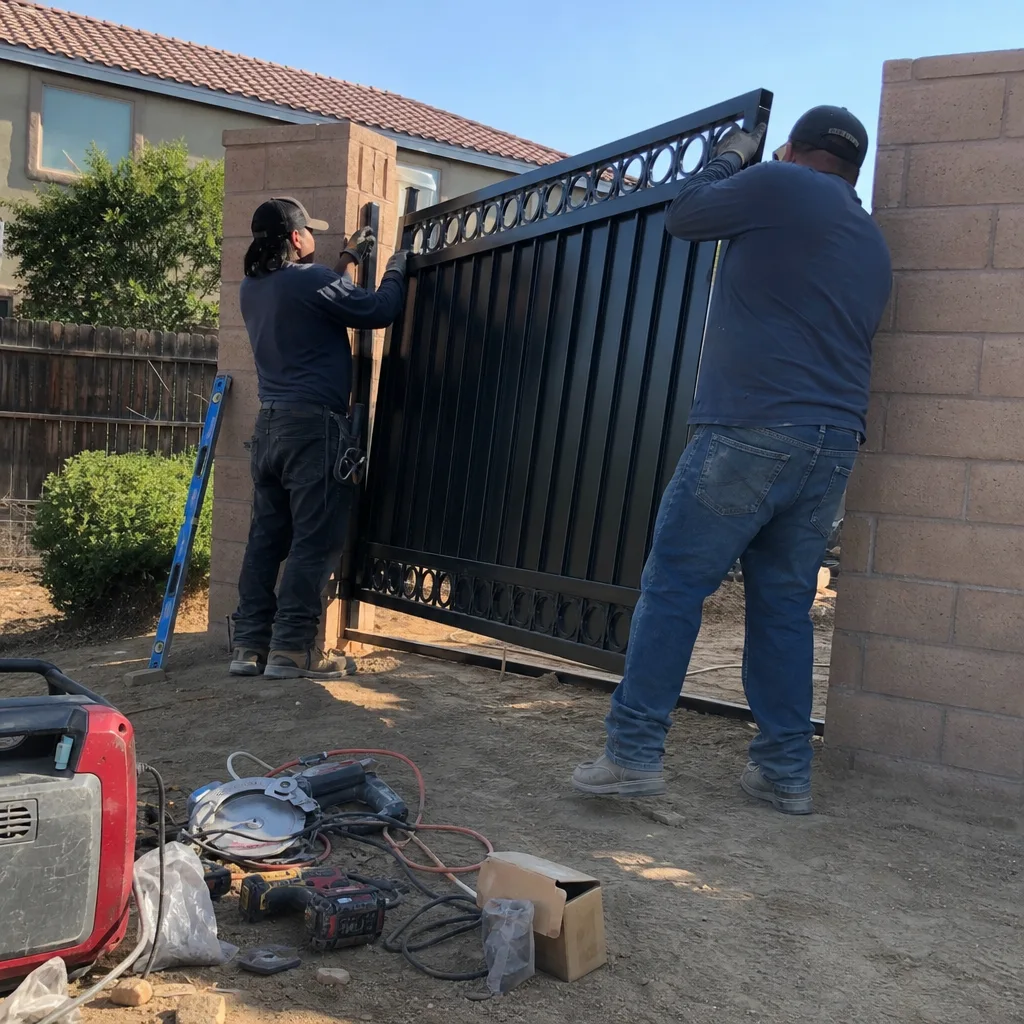
Last updated November 2, 2026
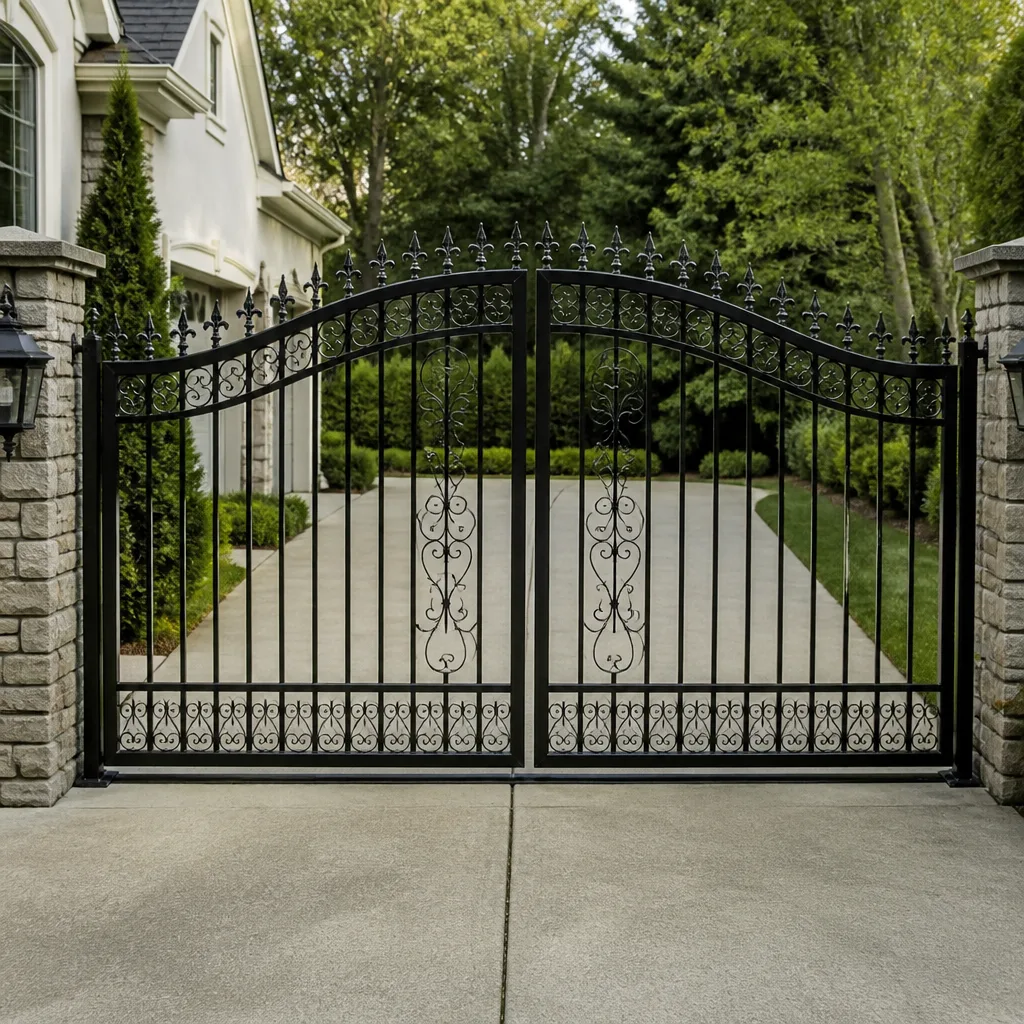 Wrought iron
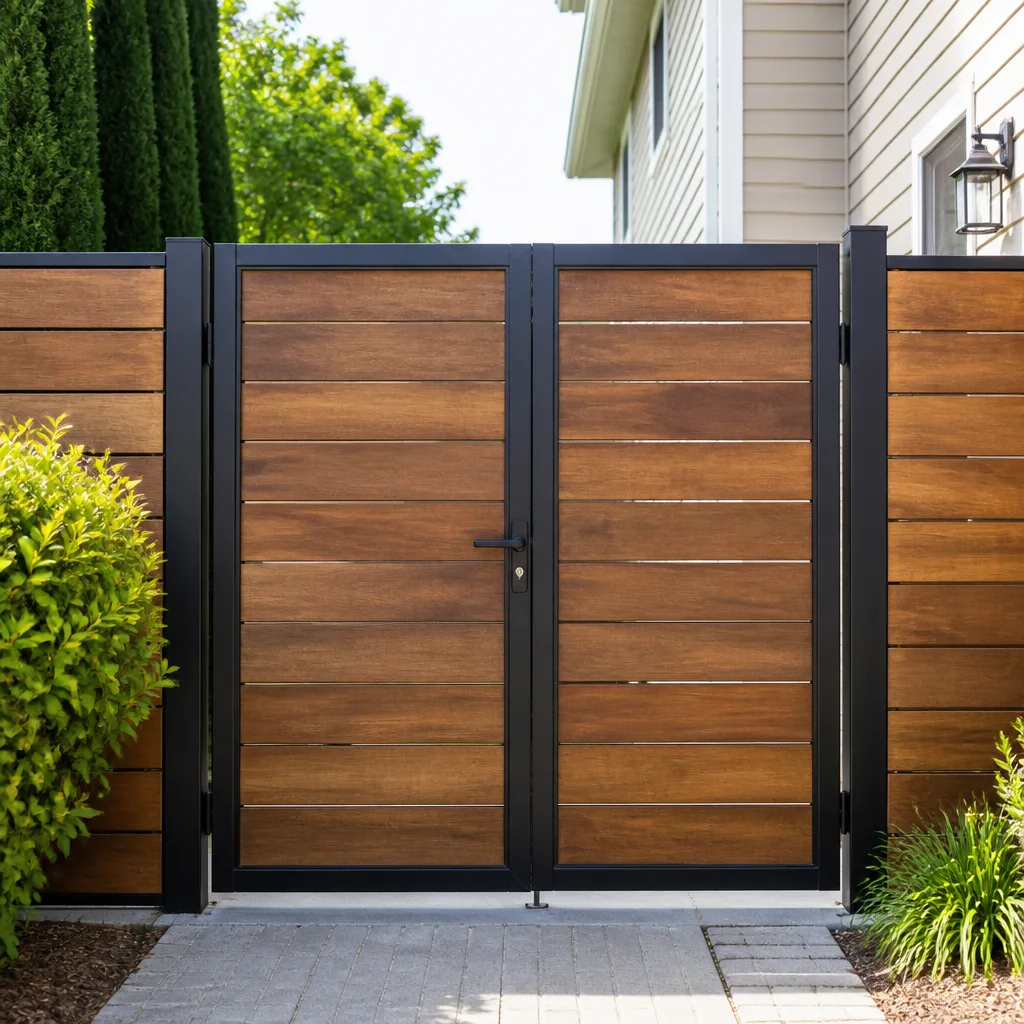 Wood & steel frame
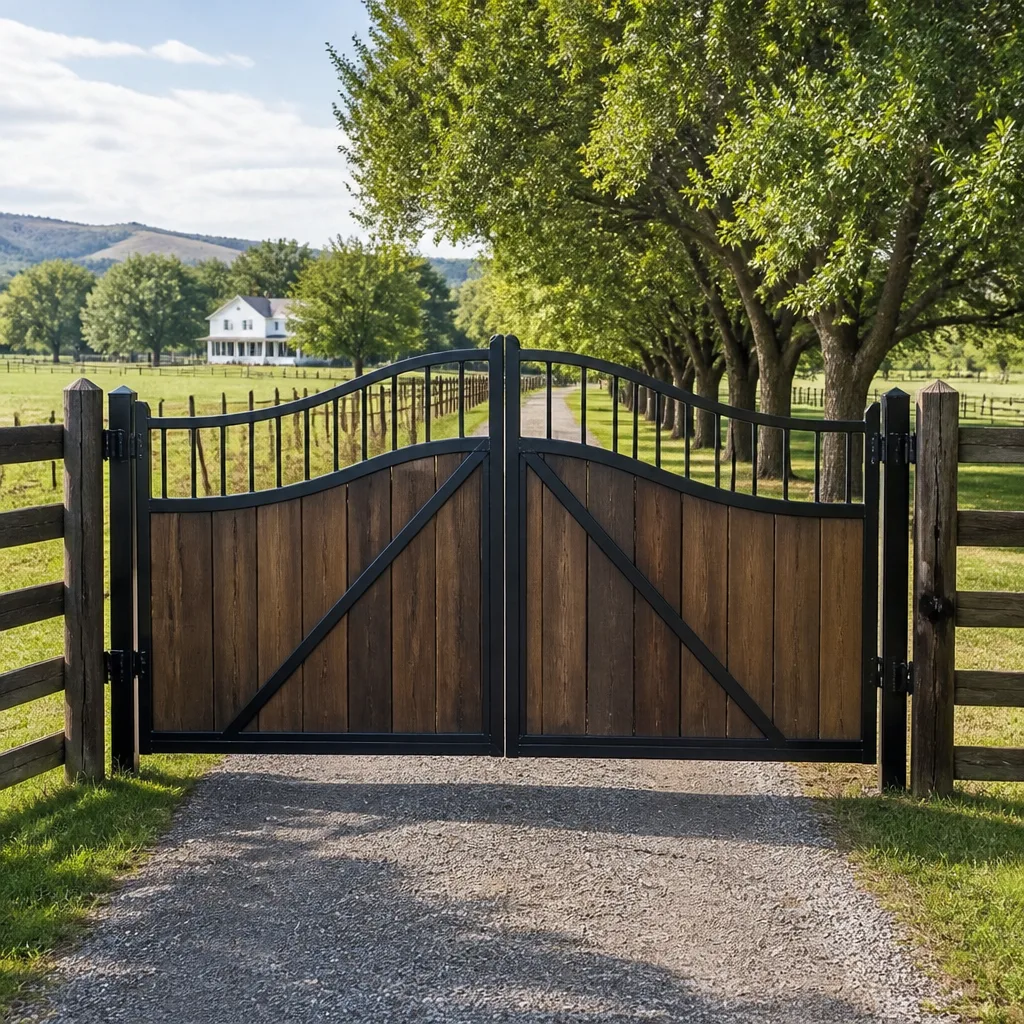 Farm & ranch
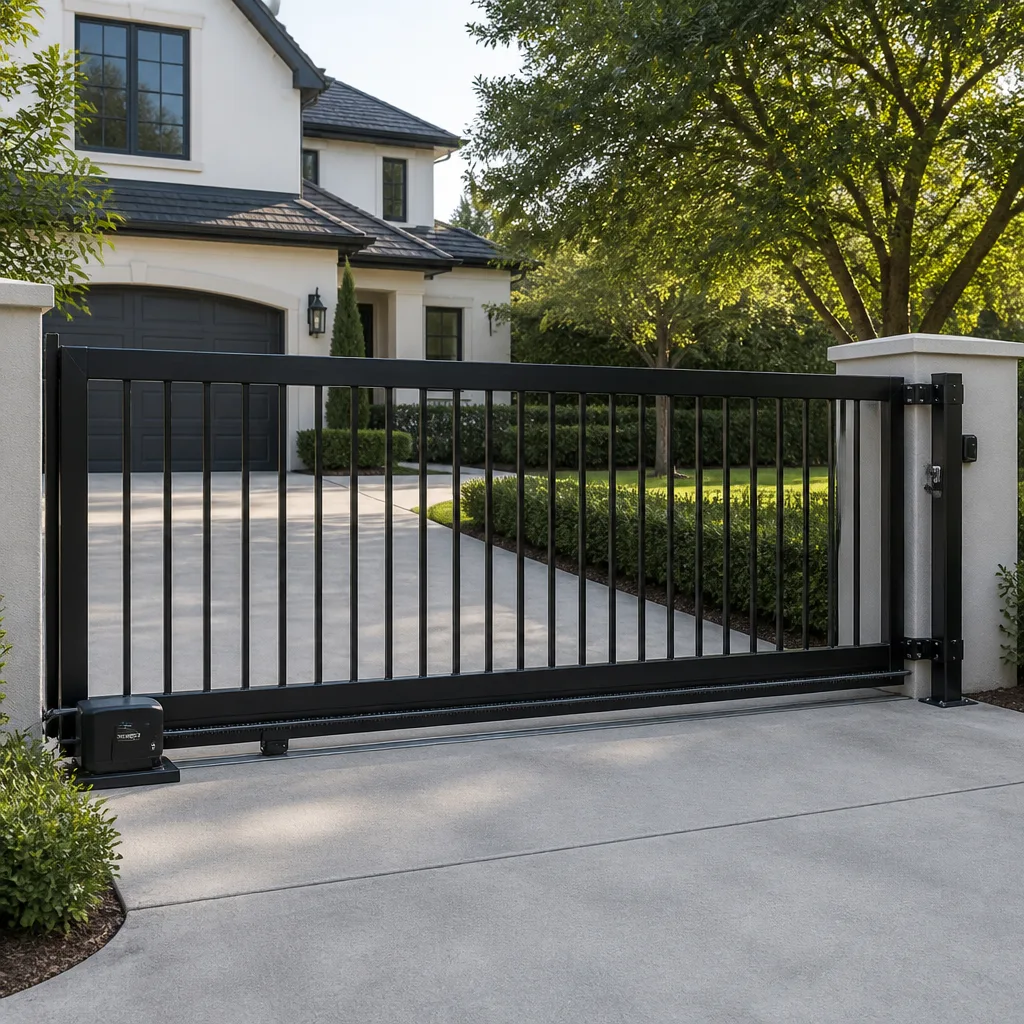 Sliding driveway gates
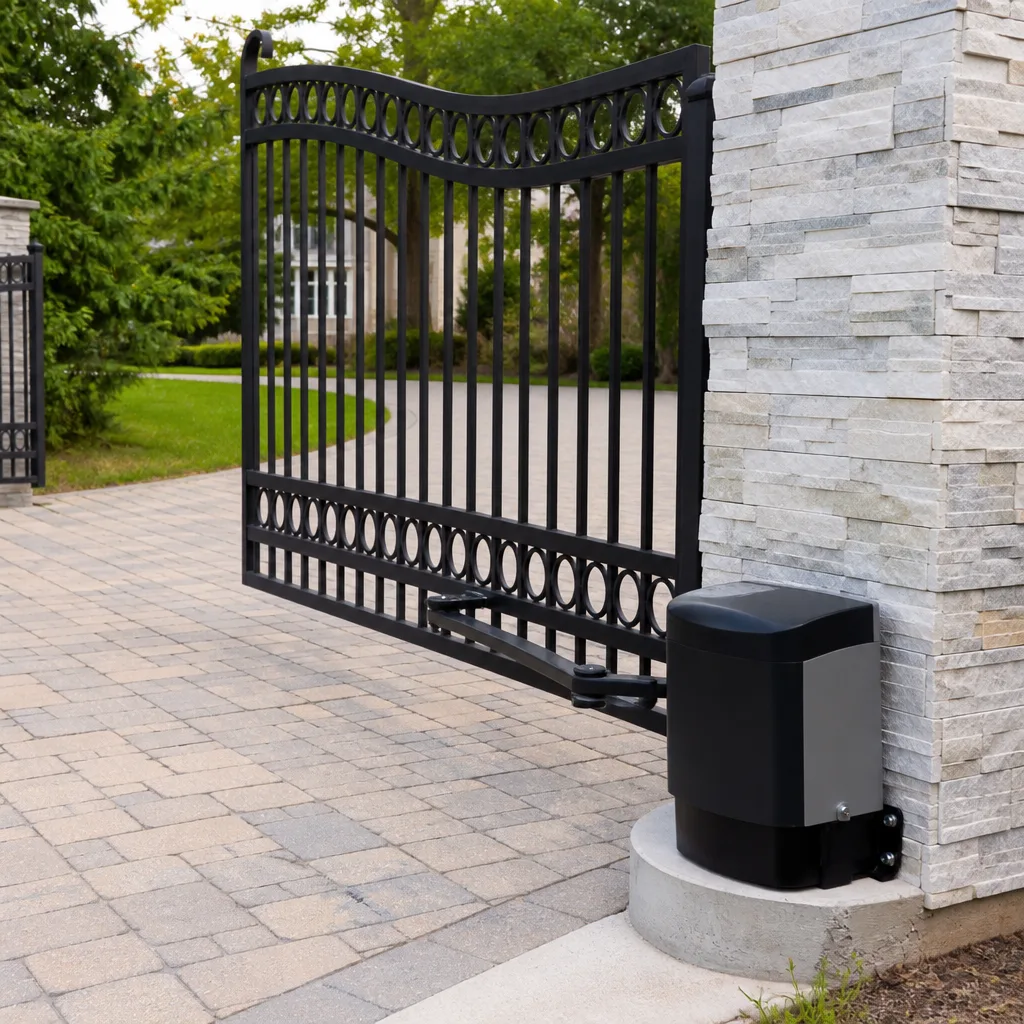 LiftMaster operators
Free on-site gate assessment - hinges, posts, and your LiftMaster or Nice gate operator checked before anything is quoted
The assessment is free and the quote is the invoice.
Get your free estimateChoosing the Right Gate Repair Brand: A Buyer’s Guide for Victorville
Most gate operator failures in Victorville don’t start with a broken motor. They start with a mismatch. A homeowner buys a residential-grade operator rated for 20 cycles a day, installs it on a driveway that sees 60 cycles daily between contractors, deliveries, and family traffic, and wonders why the control board burns out in 14 months. This guide explains how to choose an operator brand based on how you actually use your gate, not what the marketing brochure claims. For a deeper dive, see The Complete Gate Repair Guide for Victorville Homeowners. We’ll cover duty cycles, power options for the High Desert, parts availability, and the brand-specific weak points that Victorville property owners and managers run into most often.
Quick Answer
The best gate operator brand for a Victorville property is the one matched to your gate’s daily cycle count, power source, and local service availability. For most residential Victorville driveways, LiftMaster and Linear offer the strongest combination of parts access and repair familiarity in the High Desert. For commercial or HOA properties with high traffic, FAAC, BFT, and DoorKing dominate because they’re built for continuous duty cycles. The real question isn’t which brand wins in a lab test. It’s which brand a specialist near you can diagnose and fix when something fails at 7 a.m. on a Monday.
Styles & brands we work with
- Wrought iron
- Wood & steel frame
- Farm & ranch
- Sliding driveway gates
- LiftMaster operators
Table of Contents
- Duty Cycle: The Spec That Determines Everything
- Residential vs. Commercial Operators: Where Victorville Properties Get It Wrong
- Solar vs. AC Power for High Desert Gates
- Parts Availability by Brand in the Inland Empire
- Brand-Specific Failure Modes We See in Victorville
- Avoiding the Single-Brand Dealer Trap
- How to Evaluate Your Current Gate Before Buying Anything
- Common Mistakes to Avoid
- When to Call a Professional
- Frequently Asked Questions
Duty Cycle: The Spec That Determines Everything
Duty cycle is the percentage of time an operator can run before it needs to cool down. A residential operator rated for 20% duty cycle can run about 2 minutes out of every 10. A commercial operator rated for continuous duty can run all day without overheating. The difference matters in Victorville because our driveways aren’t typical suburban driveways.
Think about a property on a dirt road off Bear Valley Road with a 20-foot gate. The owner runs a small trucking operation. That gate opens and closes 40, 50, sometimes 60 times a day. A residential Mighty Mule or Ghost Controls unit rated for 15 to 20 cycles daily will work for a while. Then the motor brushes wear, the limit switch drifts, and the board starts giving fault codes. The unit didn’t fail because it was cheap. It failed because it was asked to do commercial work on residential hardware.
Here’s what duty cycle ratings look like across the major brands:
- Mighty Mule and Ghost Controls: Residential only. 10 to 20 cycles per day typical. Good for single-family driveways with light traffic.
- Linear and LiftMaster residential lines: 20 to 40 cycles per day. Solid for most Victorville homes, even those with frequent deliveries or multiple drivers.
- Elite and Viking: Mid-range. Some models handle 50 to 60 cycles daily, which suits larger residential properties or small HOAs.
- FAAC, BFT, and DoorKing: Commercial-rated. Continuous duty available on higher-end models. Built for apartment complexes, business parks, and HOA entry points that see 100+ cycles daily.
The rule we use with customers: if your gate opens more than 40 times a day, every day, you need at least a light-commercial operator. The cost difference is real, but replacing a burned-out residential motor twice in three years costs more in the long run.
For a deeper look at repair patterns across the High Desert, see our Gate Repair Victorville home page.
Residential vs. Commercial Operators: Where Victorville Properties Get It Wrong
Victorville sits in a strange position. It’s a desert city with suburban density in some neighborhoods and genuinely rural spacing in others. A house near the Mall of Victor Valley sees different gate usage than a five-acre property off Highway 395. The problem is that most homeowners and small property managers default to residential gear because the price looks better on paper.
Here’s the practical difference. A residential operator uses a smaller motor, a lighter-duty gearbox, and a control board designed for intermittent use. A commercial operator uses a larger motor, a heavier gearbox, and a board built for constant cycling. The physical housing is often bigger, and the mounting points are reinforced.
What actually breaks on residential units used beyond spec:
- Motor brush wear: Brushes are consumable. Push a residential motor to 50+ cycles daily and the brushes burn down in 12 to 18 months.
- Limit switch drift: Residential limit switches are mechanical. Repeated cycling throws them out of calibration, so the gate slams or stops short.
- Board heat damage: Capacitors and relays on residential boards aren’t rated for constant use. Heat builds up in a Victorville summer, and the board quits.
Commercial operators from FAAC, BFT, and DoorKing avoid most of these failures by design. They use magnetic limit switches, heavier-duty relays, and motors with replaceable components. They cost more upfront, but a DoorKing 9150 installed on a 60-cycle driveway will outlast three residential units.
We’ve serviced HOAs in Victorville where the gate sees 150 cycles a day. Those properties need commercial equipment, period. The board on a residential operator in that environment doesn’t fail. It commits suicide by heat.
Solar vs. AC Power for High Desert Gates
Victorville averages over 280 sunny days a year. That makes solar gate operators a legitimate option here, unlike in coastal or forested regions. But solar isn’t automatically the right choice, and the brand you pick affects how well solar actually works.
AC-powered operators are the default for properties with grid power at the gate. They’re simpler. The motor runs on 110V or 220V, the control board gets clean consistent power, and you don’t think about batteries. For most Victorville homes with existing electrical at the gate, AC is the straightforward answer.
Solar becomes relevant for rural Victorville properties where running conduit to the gate costs thousands. A solar system with a battery bank and a low-draw operator can work well here because of the sun exposure. The key is matching the operator’s power draw to the solar array and battery capacity.
Brands that handle solar best in our experience:
- LiftMaster: Their DC-powered residential operators have low standby draw, which matters more than peak draw. A LiftMaster DC unit paired with a properly sized panel and two deep-cycle batteries holds up well in High Desert sun.
- Linear: The Linear LDO series runs on DC and pairs cleanly with solar. Linear’s battery management is straightforward, and parts are easy to find in the Inland Empire.
- Viking: Viking’s solar-compatible models are oriented toward light-commercial use, which suits larger Victorville properties with long gravel driveways and no grid access.
- Mighty Mule: The MM solar panel is common and cheap, but it’s a single-panel system sized for light residential use. Fine for a gate that cycles 10 times a day. Not enough for busy driveways.
The mistake we see repeatedly: someone buys a solar kit, installs one panel facing south but partially shaded by a Joshua tree or a fence line, and then wonders why the gate dies in December. Solar in Victorville works. Poorly sited solar doesn’t, regardless of brand.
Parts Availability by Brand in the Inland Empire
This is the section most buying guides skip, and it’s the one that matters most when your gate is stuck open at 11 p.m. An operator is only as good as your ability to get parts for it within driving distance.
Victorville sits at the edge of the Inland Empire supply chain. Distributors in Ontario, San Bernardino, and Riverside stock parts for the major brands, but there’s a split between brands with deep local inventory and brands that require special order.
What we know about local parts access:
- LiftMaster and Linear: The easiest parts to get locally. Control boards, limit switches, remotes, and photo eyes are routinely in stock at Inland Empire distributors. Next-day replacement is normal, and same-day is often possible for common components.
- FAAC and BFT: Good availability for common wear items, but some control boards and hydraulic components ship from regional or national warehouses. Expect 2 to 4 days for less common parts.
- DoorKing: Strong commercial parts network. Boards and loop detectors are usually available within 1 to 2 days.
- Elite and Viking: Moderate availability. Common parts are stocked, but specialty boards may take 3 to 5 days.
- Mighty Mule and Ghost Controls: Sold through retail channels, so parts are mostly order-online. A broken MM board means waiting on shipping unless a local repair shop happens to have a take-off unit.
- Ghost Controls: Similar to Mighty Mule. DIY-friendly but service-hostile when something beyond a remote or battery fails.
The practical takeaway: if you’re choosing a brand for a Victorville property that can’t be down for three days, pick LiftMaster, Linear, or DoorKing for parts access. If you already own a Mighty Mule or Ghost Controls system that’s acting up, it’s often more economical to repair what’s there than to replace the whole unit. A specialist in electric gate repair can usually source or diagnose those systems without a full replacement.
Brand-Specific Failure Modes We See in Victorville
Every brand has a pattern. When you service enough gates in one region, you start to know which units fail and why. Here’s what we see regularly across the nine major operator lines in the High Desert.
LiftMaster
Residential LiftMaster units are generally reliable, but we see two recurring issues in Victorville. First, the logic board is sensitive to power surges, and the High Desert gets more electrical noise than people expect, especially during monsoon-season storms. Second, the plastic drive gears on older models strip after 5 to 7 years of daily use. The good news: both are repairable, and parts are locally available almost always.
FAAC
FAAC operators are hydraulic on the commercial side, and Victorville heat affects hydraulic fluid. We see leaky seals and pressure-loss faults on older FAAC units that have baked in 100-degree summers for a decade. The pumps and motors are durable, but the hydraulic systems need seal and fluid service on schedule or they fail progressively.
BFT
BFT boards are sensitive to low voltage. On remote Victorville properties at the end of long utility runs, we see BFT units throwing undervoltage faults that stump generalist technicians. The motors themselves are solid. The boards are the weak point, and they’re not the cheapest board to replace.
DoorKing
DoorKing operators are the workhorses of commercial Victorville. The failure mode we see most is the magnetic limit switch assembly wearing out after high-cycle years. They’re repairable and the parts are available, but a gate that’s slammed shut 150 times a day for five years will eventually need limit switch replacement.
Linear
The Linear LDO residential line is common in Victorville and generally holds up well. The weak point is the battery backup on solar installations. Batteries die every 2 to 3 years in High Desert heat, and homeowners often don’t realize the operator has been running on the charger alone until a cloudy week kills it.
Viking
Viking operators are durable but under-supported compared to FAAC and DoorKing. The hardware itself is built for commercial use. The parts network is thinner. A Viking failure often means a longer repair timeline, not because the unit is worse, but because components are harder to source fast.
Mighty Mule and Ghost Controls
These are DIY-grade systems. Common failure modes include stripped plastic gears, corroded battery terminals on solar models, and boards that fail without obvious cause. They’re designed to be replaced, not repaired. In our experience, a Mighty Mule operator that’s over 5 years old is usually more cost-effective to swap than to fix.
If you’re dealing with a failing gate in the High Desert, the diagnosis matters more than the brand. Our gate repair service in Hesperia handles the same operator lines we see in Victorville.
Avoiding the Single-Brand Dealer Trap
There’s a quiet lock-in problem in the gate industry. Many dealers sell one brand, maybe two. When your gate fails and you call the company that installed it, they’re not neutral. They have an incentive to tell you the unit is done and sell you a replacement from their line, even when a $200 board swap would fix it.
Here’s how the trap works:
- You buy a Brand X operator from a Brand X dealer.
- Five years later, the board fails.
- You call the dealer. The tech tells you the board is no longer made (sometimes true, sometimes not) and pitches a new unit at $2,500.
- You don’t know any independent gate specialists, so you pay for the replacement.
- Repeat in five years.
The way out is to work with a technician who services multiple brands. A brand-agnostic specialist has no incentive to push a replacement when a repair makes more sense. They can quote the actual repair cost, source the part from whatever distributor has it, and tell you honestly whether the unit is worth saving.
We service all nine major operator lines: LiftMaster, FAAC, BFT, Linear, Viking, Ghost Controls, DoorKing, Elite, and Mighty Mule. That range matters because it means our recommendation is based on your gate’s condition and your usage, not on what we’re trying to move out of inventory.
When you’re choosing a new system, ask the installer this question: “If this brand fails in five years, can you still get parts for it locally?” If the answer is vague, walk away. You’re not buying an operator. You’re buying a five-year service relationship.
For property owners planning a full new gate rather than a repair, our gate installation service in Hesperia covers the same brand range.
How to Evaluate Your Current Gate Before Buying Anything
Before you even think about a new operator, determine whether the one you have is actually dead. In our experience servicing Victorville gates, about 40% of “dead” operators are fixable with a sub-$300 part and an hour of labor. The other 60% are genuinely at end of life. Here’s how to tell the difference.
- Check the power source first. Is the breaker on? Is the GFCI tripped? Is the battery (on solar systems) holding charge? A dead battery is not a dead operator.
- Listen when you press the remote. Do you hear a click? A hum? A grinding noise? Clicks usually mean the board is sending signal but the motor isn’t responding. Hums often mean a capacitor or start winding issue. Grinding points to gearbox damage.
- Look at the board for visible damage. Burn marks, bulging capacitors, or corrosion are visual indicators of board failure. If the board is smoked, that’s a real replacement decision.
- Test the gate manually. With the operator disengaged, does the gate swing or slide smoothly? If the gate itself is binding, a new operator will just burn out against the same resistance.
- Check the cycle count if your system tracks it. Commercial boards like DoorKing and FAAC show cycle counts. A unit with 200,000 cycles is at end of life. A unit with 20,000 cycles is a baby.
- Age the system honestly. Residential operators last 7 to 10 years in Victorville with normal use. Commercial units last 10 to 15 with maintenance. If you’re past those windows, replacement is worth considering.
If you’re unsure what you’re looking at, get a professional diagnosis or explore our Gate Repair services before spending $2,000 on equipment you may not need. A repair-first evaluation costs less than a new operator and sometimes saves you from buying one altogether.
Common Mistakes to Avoid
- Buying by price alone. A $400 Mighty Mule on a 50-cycle driveway will cost more in replacements than a $1,500 LiftMaster over five years. The operator is the cheap part. The service calls are what add up.
- Ignoring the gate itself. A warped steel gate or misaligned track will eat any operator you put on it. Fix the gate first, then the operator.
- Oversizing for no reason. A commercial DoorKing on a single-family driveway that opens twice a day is wasted money. Match the duty cycle to the actual use, not the hypothetical worst case.
- Assuming all brands work on all gates. Slide gates, swing gates, and overhead gates require different operator types. A swing-gate arm doesn’t work on a slide gate. This sounds obvious, but we see misapplied equipment more often than we should.
- Forgetting about safety sensors. In Victorville, wind-blown debris and dust can trip misaligned photo eyes. If your sensors are positioned poorly or not connected, you’re creating an entrapment hazard and a liability.
- Choosing a brand no one locally services. An exotic European operator is impressive until you need a board shipped from Italy and the only tech who knows the system is three hours away.
- Rushing a replacement after a lightning strike. High Desert monsoon storms damage boards and power supplies. Before replacing the whole operator, check whether only the board or the surge protector took the hit.
When to Call a Professional
Some gate problems are DIY-fixable: a dead remote battery, a tripped breaker, a photo eye knocked out of alignment. Others are not. If your operator is humming but not moving, if the board shows scorch marks, if the gate shudders or slams at the end of travel, or if you’re dealing with a commercial operator that serves multiple residents, call someone who works on these systems daily. Electric gate motors, control boards, and high-tension gate hardware carry real risk, and misdiagnosing a fault on a commercial operator can make the problem worse and more expensive. A trained gate technician can diagnose the issue quickly and tell you honestly whether repair or replacement makes sense. Gate Repair Victorville offers free estimates in Victorville, call (833) 589-9763.
Frequently Asked Questions
For most single-family homes in Victorville, LiftMaster or Linear residential operators offer the best balance of reliability, parts availability, and service familiarity in the High Desert. If your gate sees more than 40 cycles a day, step up to a light-commercial unit from Elite or Viking. Call (833) 589-9763 for a specific recommendation based on your gate’s usage pattern.
Victorville’s heat and dust shorten operator life compared to coastal regions. Expect 7 to 10 years from a residential operator and 10 to 15 from a commercial unit with regular maintenance. Solar batteries on rural properties typically need replacement every 2 to 3 years. The best way to extend operator life is to match the duty cycle to actual usage and service the unit before it fails, not after.
We service all nine major operator lines: LiftMaster, FAAC, BFT, Linear, Viking, Ghost Controls, DoorKing, Elite, and Mighty Mule. Our brand-agnostic approach means we diagnose and repair the system you have rather than pushing a replacement. That’s especially important in Victorville, where many properties have older or mixed-brand setups installed by different contractors over the years.
For rural Victorville properties with no grid power at the gate, solar is often the most practical option, and the High Desert’s sun exposure makes it viable year-round with a properly sized panel and battery bank. For homes with existing electrical at the gate, AC power is simpler and more reliable. Solar adds battery failure as a maintenance issue, and batteries die faster in heat. Our team can evaluate your site and tell you honestly whether solar or AC makes more sense.
Residential operator installations in Victorville typically range from $1,200 to $3,500 depending on the brand, duty cycle, and whether the existing gate and mountings are reusable. Commercial installations run $3,000 to $8,000 or more for high-cycle FAAC, BFT, or DoorKing systems. The price is always quoted and agreed before work starts, and estimates are free. Call (833) 589-9763 for an exact number on your specific gate.
Intermittent gate failures in Victorville usually trace to one of four causes: a failing control board affected by heat, a battery on a solar system that’s marginal, a loose connection that opens when the gate moves, or a limit switch that’s drifted out of adjustment. These intermittent faults are frustrating because they never show up when a technician is standing there. A specialist who sees these patterns regularly can usually pinpoint the cause from the symptoms alone.
The Bottom Line
The right gate operator brand for Victorville isn’t the one with the slickest marketing. It’s the one that matches how your gate is actually used, draws power in a way that fits your property, and can be serviced locally when something breaks. Residential operators from LiftMaster and Linear cover most Victorville homes. Commercial properties and busy driveways need FAAC, BFT, or DoorKing. And regardless of what’s on your gate, work with a technician who services all brands, diagnoses before replacing, and quotes a price before touching a wrench. The operator you choose today determines your repair costs for the next decade. Choose like it matters, and check our more guides & resources for ongoing maintenance tips.
Written by the team at Gate Repair Victorville, serving Victorville since 2013.
See the difference
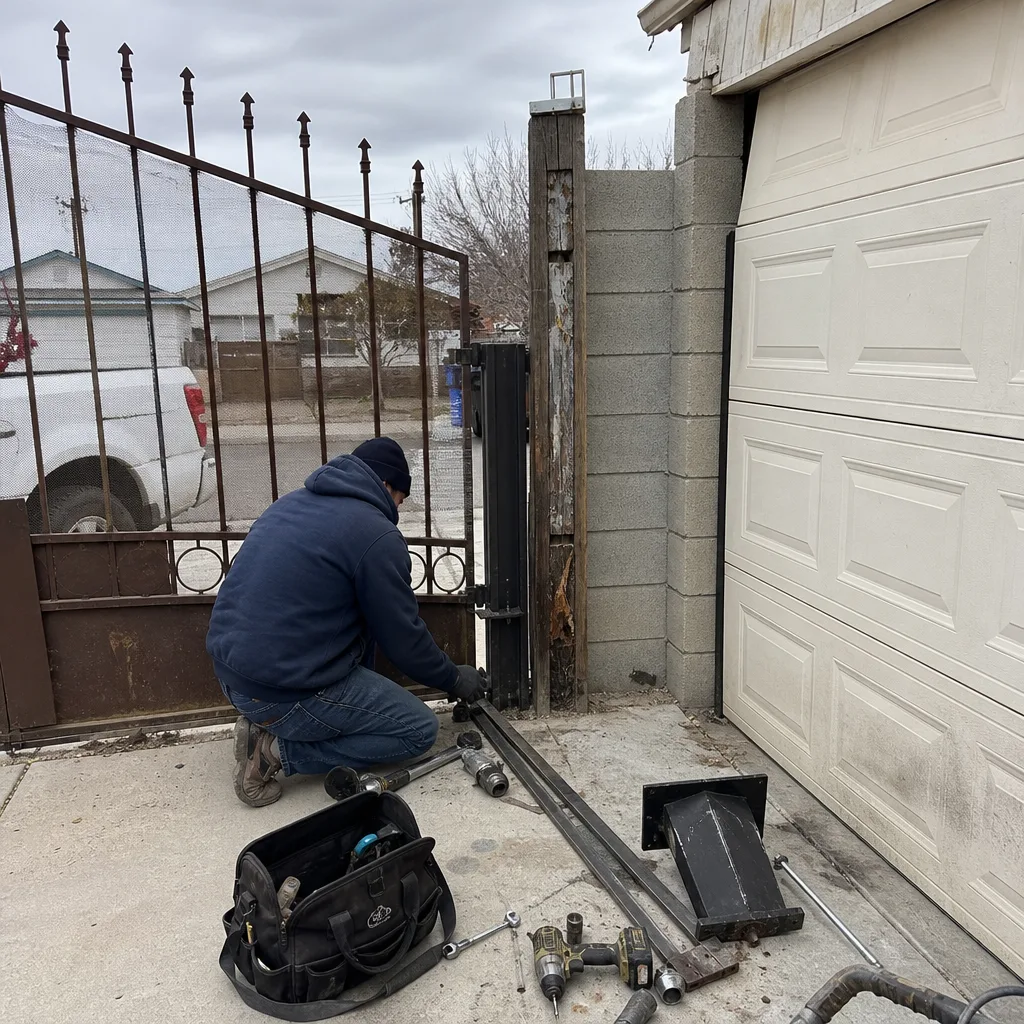 Before
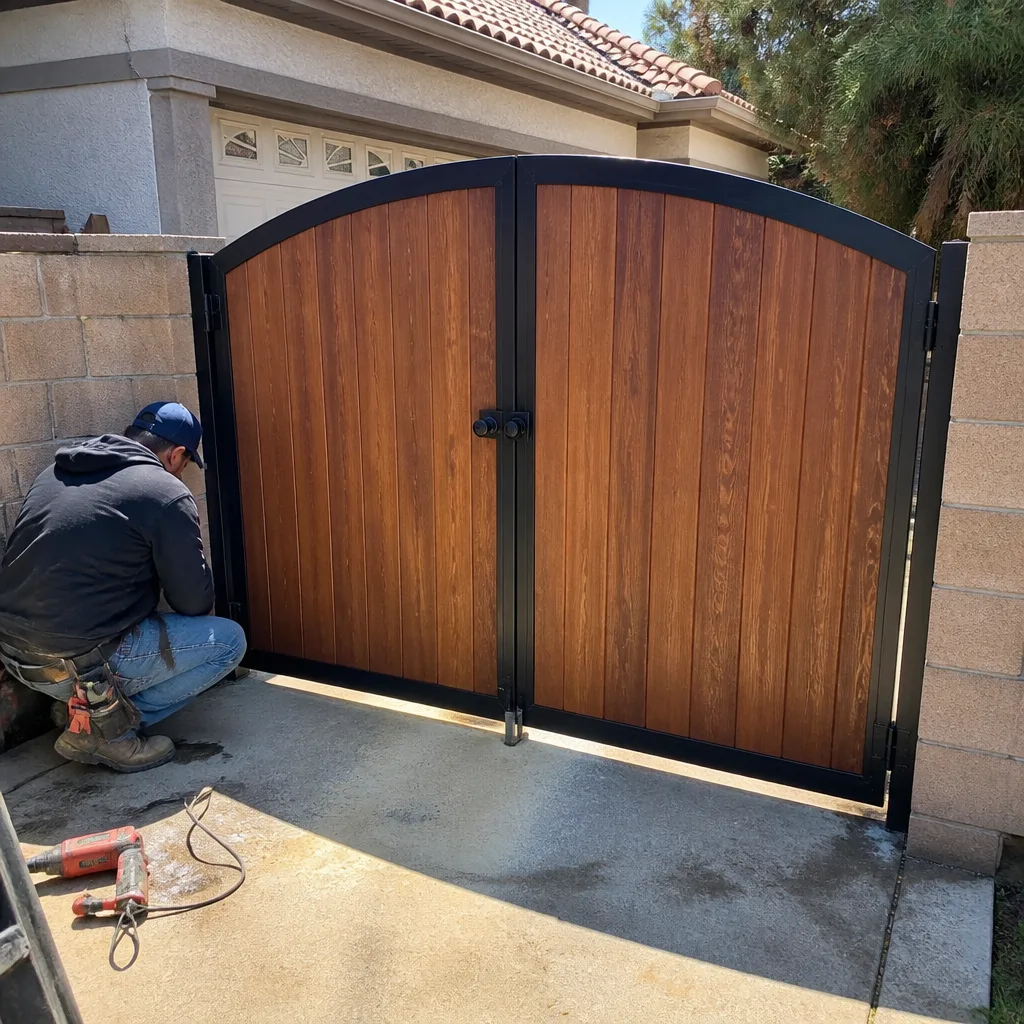 After
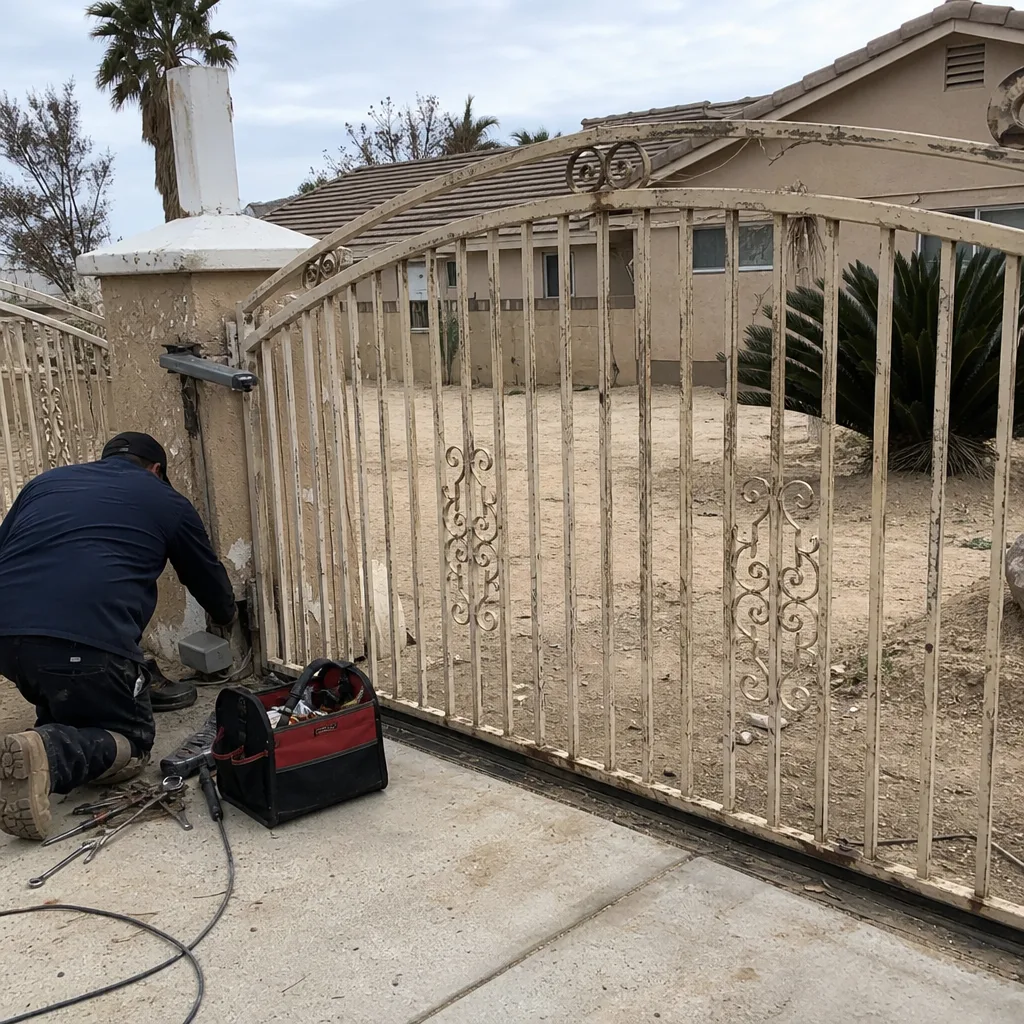 Before
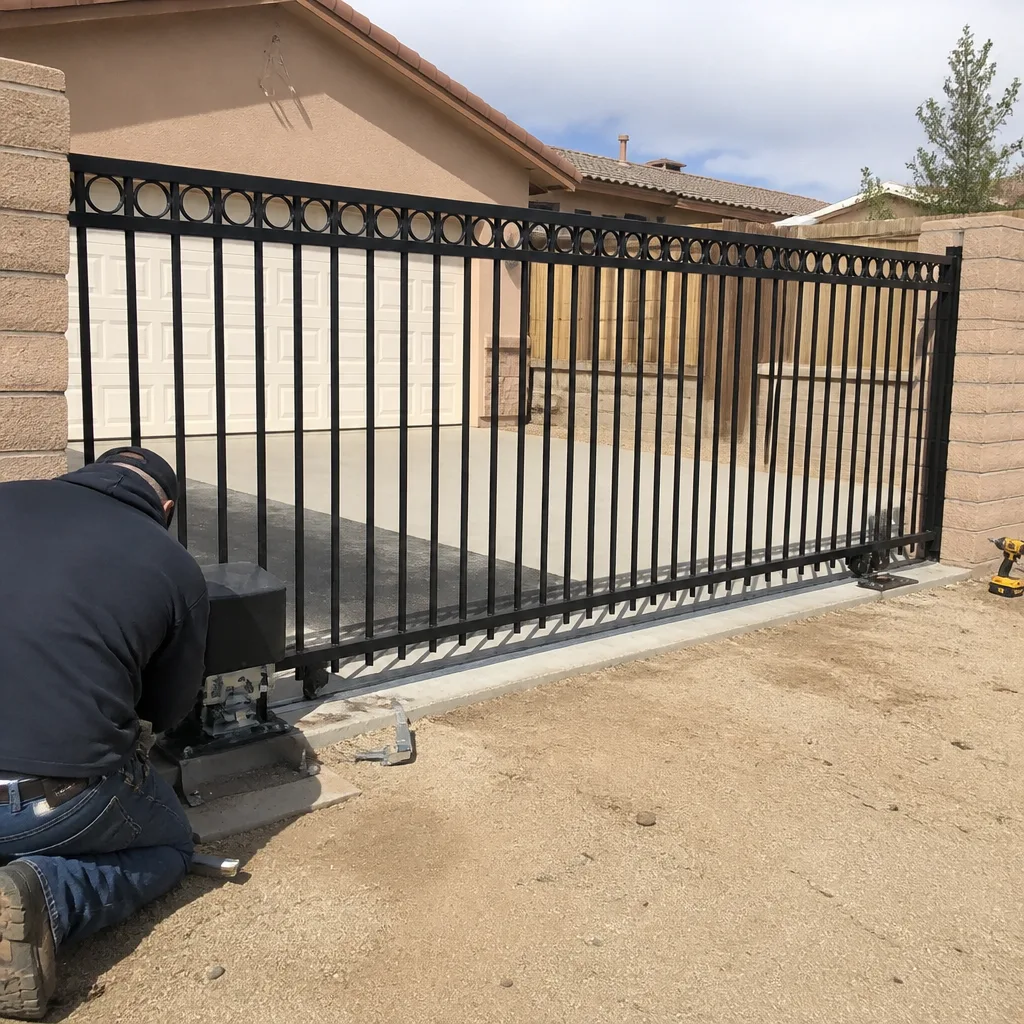 After
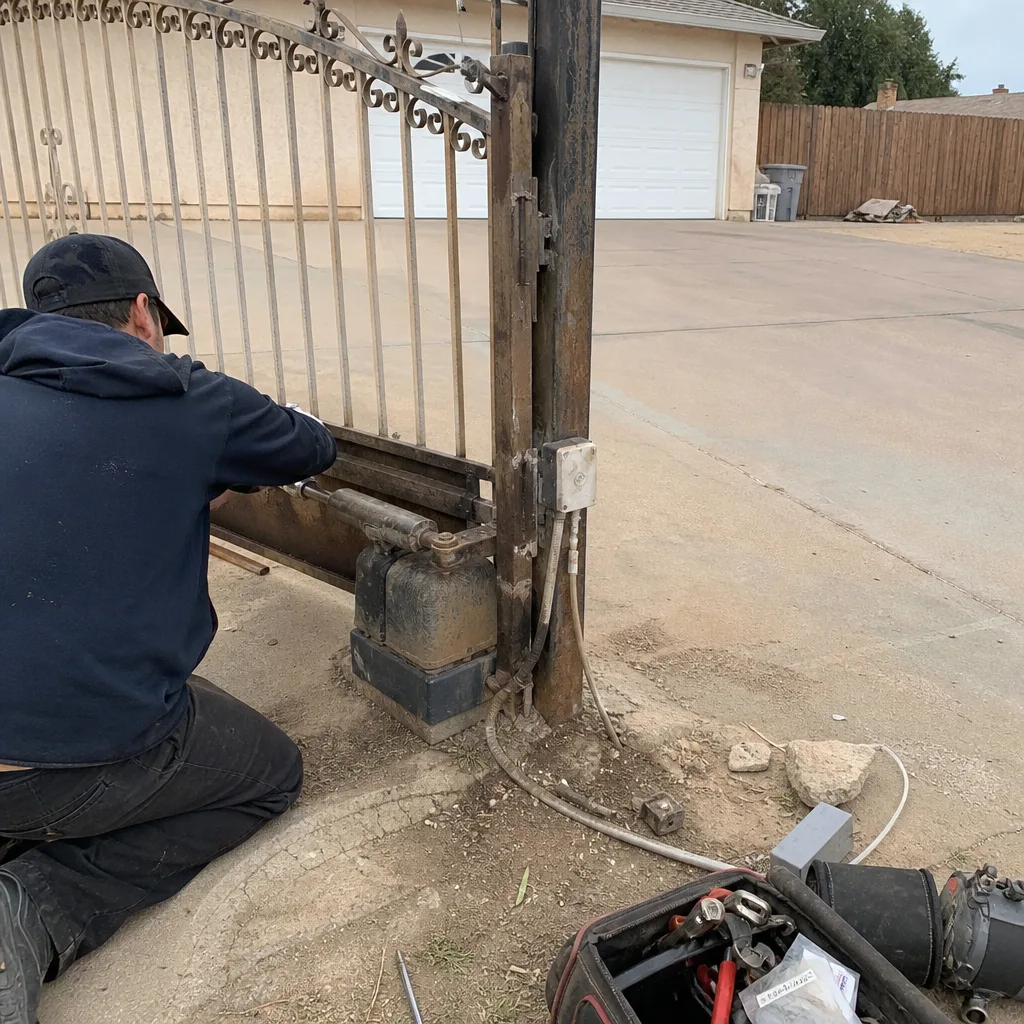 Before
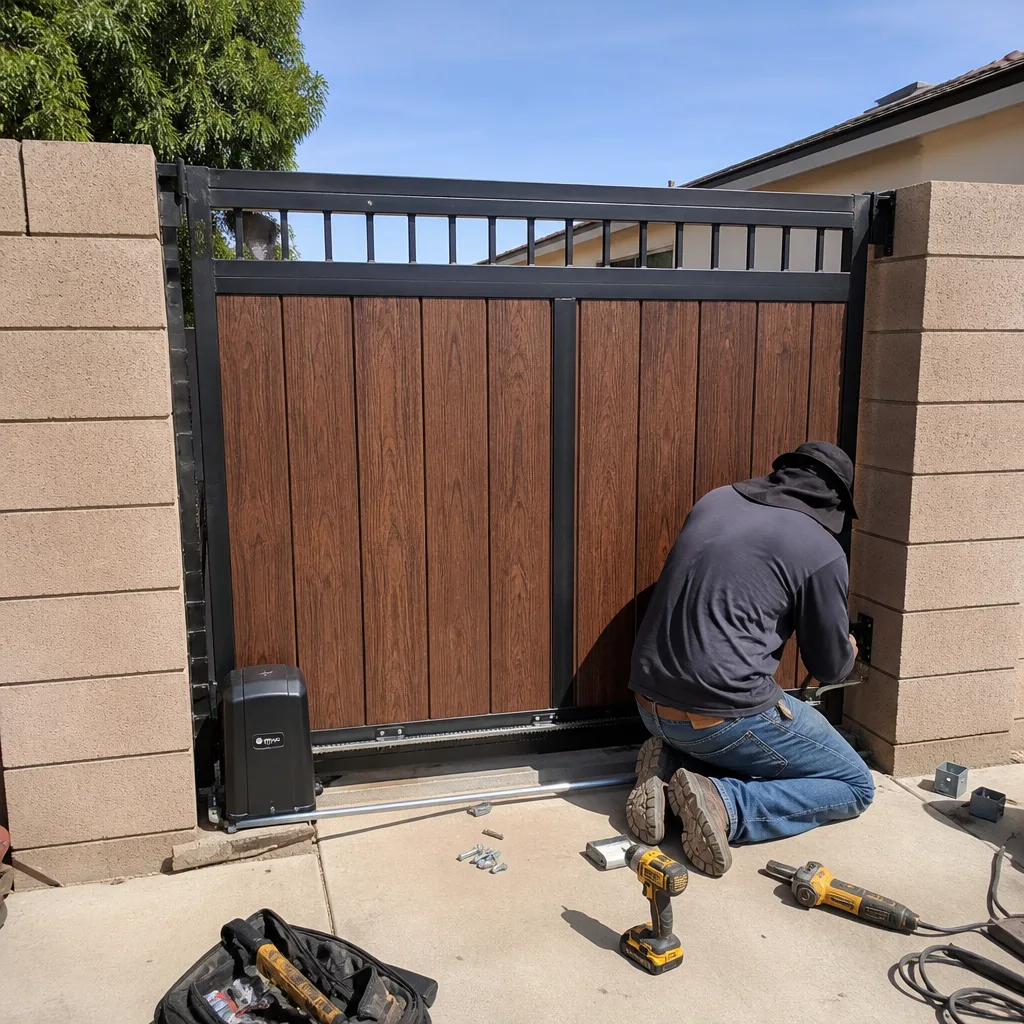 After