
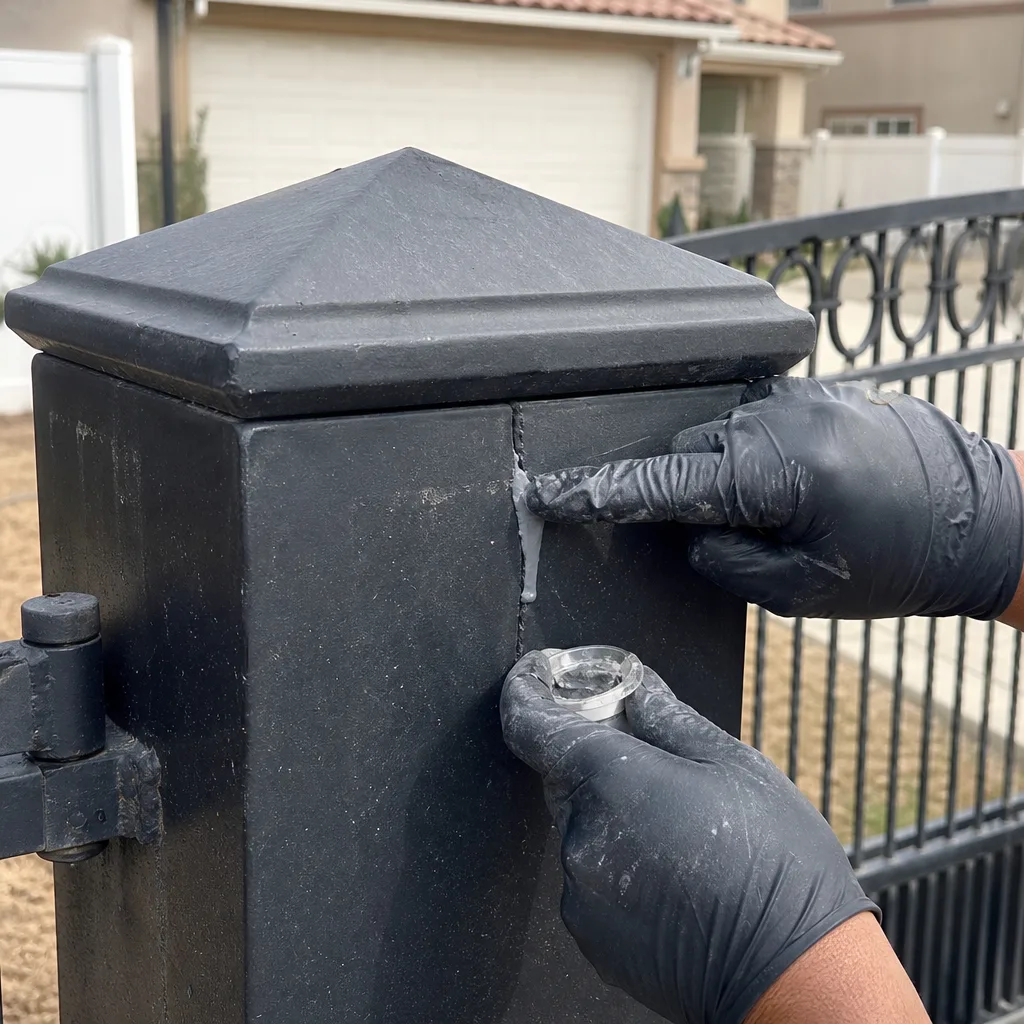
Last updated November 2, 2026
 Wrought iron
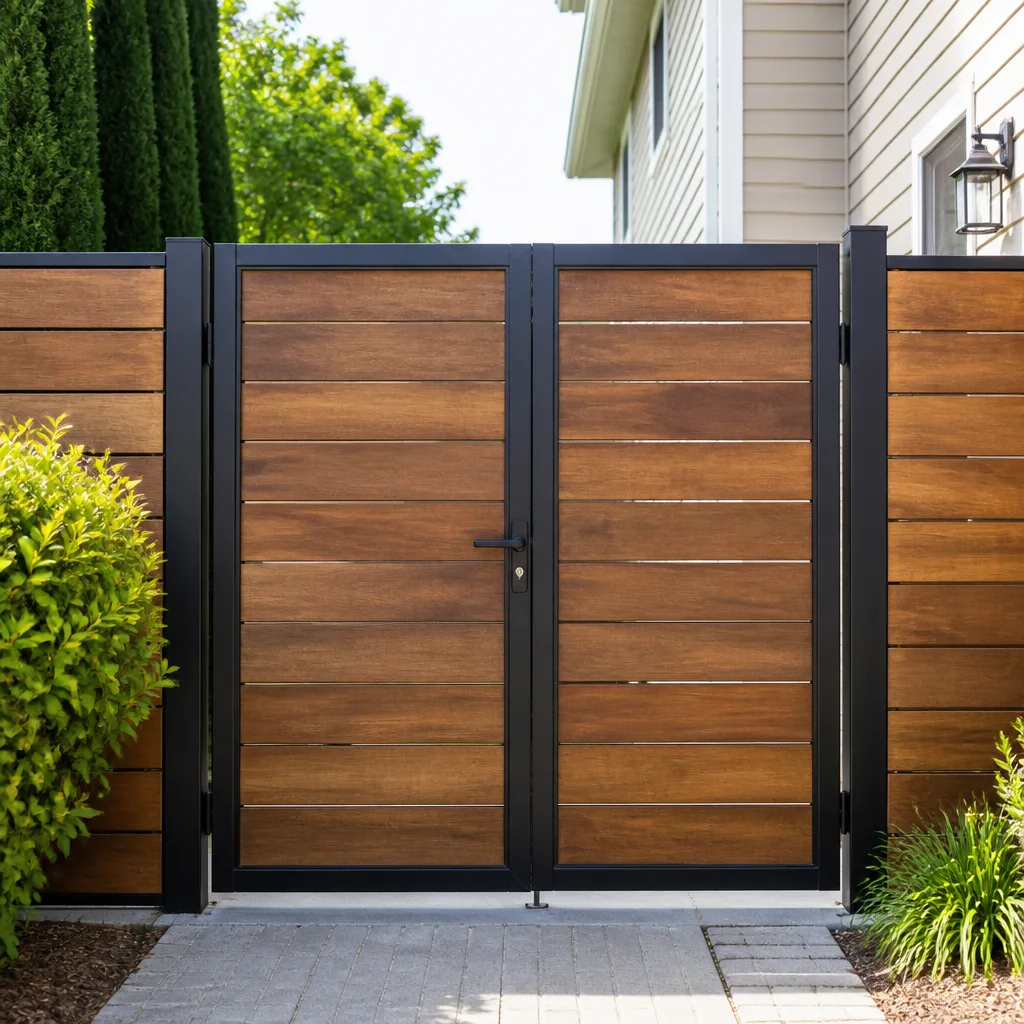 Wood & steel frame
 Farm & ranch
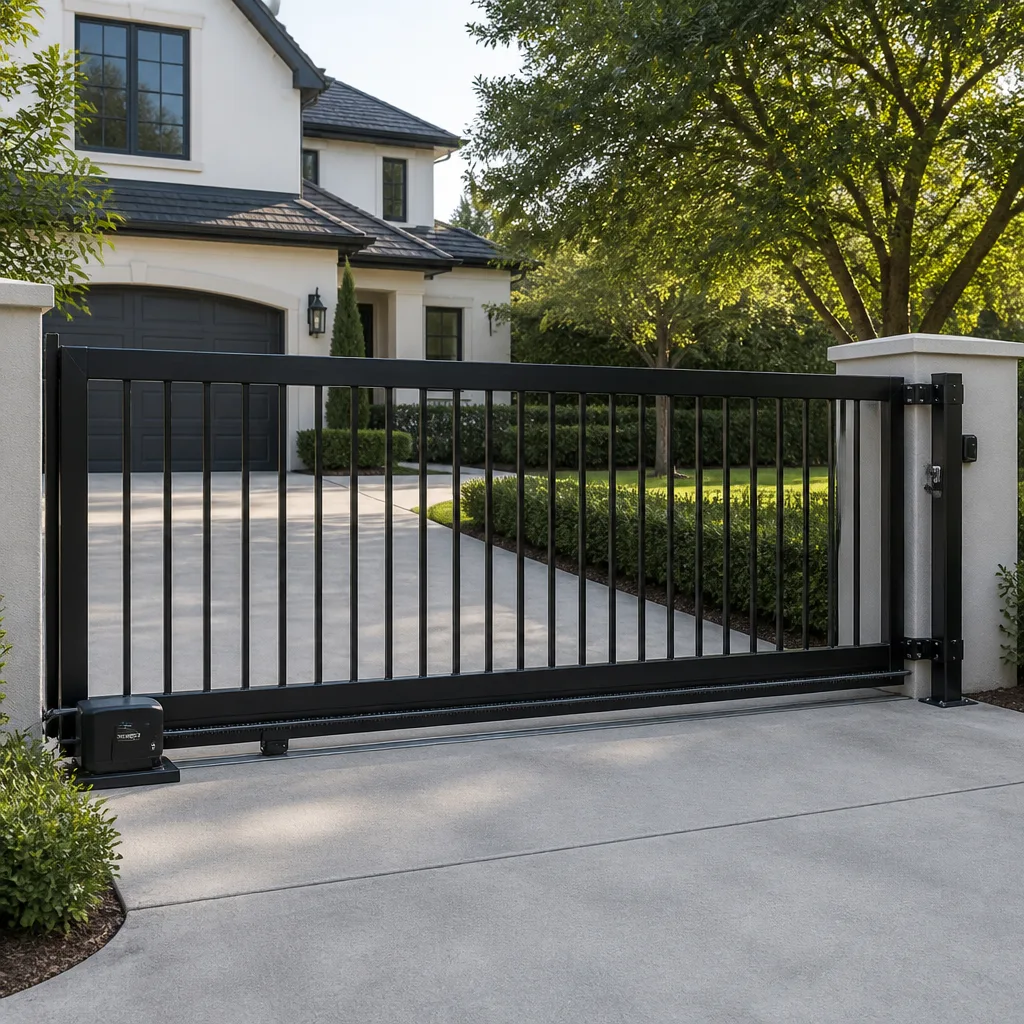 Sliding driveway gates
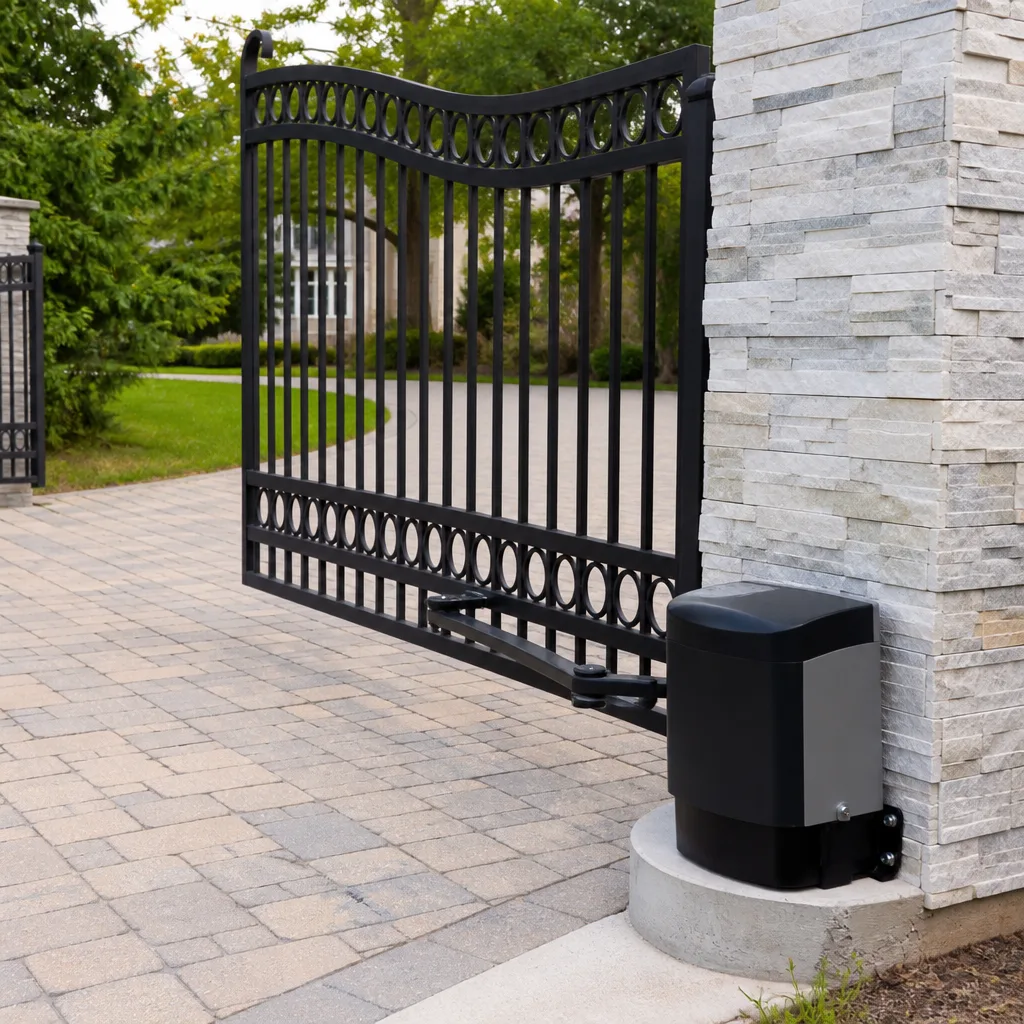 LiftMaster operators
Free on-site gate assessment - hinges, posts, and your LiftMaster or Nice gate operator checked before anything is quoted
The assessment is free and the quote is the invoice.
Get your free estimateSeasonal Gate Repair Care for Victorville: Year-Round Homeowner’s Guide
January nights in Victorville regularly drop below freezing. That matters more than most homeowners realize, because a gate operator that runs flawlessly in August will stall, grind, or reverse erratically when hydraulic fluid thickens inside a cold motor housing. It isn’t a malfunction. It’s a seasonal condition with a specific fix. This guide breaks down exactly what happens to gate systems across four distinct High Desert seasons, what to check and when, and how a 12-month maintenance calendar built for Victorville’s actual climate beats generic coastal California advice every time. You’ll learn the failure patterns we see most often, the tools and parts worth keeping on hand, and the line between a fix you can handle yourself and a repair that needs our Gate Repair services.
Styles & brands we work with
- Wrought iron
- Wood & steel frame
- Farm & ranch
- Sliding driveway gates
- LiftMaster operators
Quick Answer
Seasonal gate care in Victorville means adjusting maintenance to the High Desert’s extreme temperature swings: freezing winter nights demand battery capacity checks and cold-weather lubricant changes, triple-digit summers require solar panel output testing and control board heat inspection, and fall wind season calls for structural inspections after Santa Ana events. A basic seasonal routine takes under two hours per season and prevents most common operator failures. The most important checks are battery health before winter, seal and wiring inspection after summer, and post-windstorm rack alignment from October through February.
Table of Contents
- Winter: Cold Weather and Battery Failures
- Spring: Post-Frost Inspection and Footing Checks
- Summer: Heat, Solar Panels, and UV Damage
- Fall: Santa Ana Wind Season and Structural Inspections
- Building Your 12-Month Victorville Gate Maintenance Calendar
- DIY vs. Professional: Where the Line Is
- Common Mistakes to Avoid
- When to Call a Professional
- Frequently Asked Questions
- The Bottom Line
Winter: Cold Weather and Battery Failures
Victorville’s winter cold snaps aren’t an occasional inconvenience. The National Weather Service has recorded January lows in the teens along the Mojave River corridor, and the High Desert’s wide diurnal swings mean a 55-degree February afternoon can drop to 24 degrees by 3 a.m. Those swings hammer gate operators in three specific ways.
How Cold Affects Gate Operators
Hydraulic gate operators are the most visible victims. The fluid inside the pump and cylinder thickens as temperatures drop, which increases resistance and slows the gate’s travel speed. Sometimes the gate simply moves slower. Sometimes the operator’s internal pressure sensors misinterpret the added resistance as an obstruction and reverse the gate mid-cycle. That reversal pattern in December and January is a telltale sign of cold-thickened fluid, not a failing motor.
Battery-backed systems have their own winter problem. Lead-acid and AGM batteries lose measurable cranking capacity below 40 degrees, and a battery that held a full charge in September may only deliver 60% of its rated output on a January morning. If your gate uses a battery backup for operation, solar charging, or as the primary power source, winter is when that weakness shows up first.
Finally, post-mount control boxes and in-ground junction boxes are prime targets for condensation. Warm daytime air inside an enclosure cools overnight, moisture condenses on terminals and boards, and the resulting corrosion creates intermittent board faults that are notoriously difficult to diagnose in summer because the moisture has long since evaporated.
Winter Preparation Checklist
- Test battery capacity in November. A multimeter voltage check tells you surface charge only. The better test is running the gate through five full open-close cycles while unplugged from AC power, noting any slowing by the third or fourth cycle. If the gate noticeably lags, the battery’s cold-weather capacity is fading.
- Switch to a cold-weather lubricant. Standard white lithium grease stiffens in freezing temperatures. On the hinge side, a synthetic low-temperature grease rated for -20°F or below keeps pivot points moving without adding resistance.
- Replace worn weather stripping on control boxes. The foam or rubber gasket around the lid of a post-mount enclosure is what keeps condensation out. If it’s cracked, flattened, or missing entirely, replace it before the rainy season rather than after.
- Inspect and tighten all terminal connections. Thermal cycling loosens screw terminals over time. A five-minute pass with a screwdriver on the control board’s power and accessory terminals prevents the intermittent faults that show up most in cold weather.
- Clear drainage channels around gate posts. Standing water at the base of a post freezes, expands, and puts pressure on the footing. That freeze-thaw cycle is one of the leading causes of post lean in Victorville’s clay-heavy soils.
If you’re in the Gate Repair in Hesperia area just down the hill, the same winter protocol applies, though Hesperia’s slightly higher elevation can mean a degree or two colder on clear nights.
Spring: Post-Frost Inspection and Footing Checks
By March, Victorville’s overnight lows climb back above freezing, but the damage done by winter’s freeze-thaw cycles doesn’t disappear on its own. Spring is the season for inspection, not repair. The goal is to catch small problems before summer heat makes them worse and before a post shifts far enough to bind the gate itself.
What Freeze-Thaw Does to Gate Footings
The High Desert’s soil presents a specific challenge. Much of Victorville sits on expansive clay that absorbs winter moisture and swells, then contracts as it dries in spring. When water pools around a gate post and freezes, the expansion is powerful enough to lift concrete. Repeated cycles leave hairline cracks in post collars and void spaces under footings. The gate still works fine in March, but the post has lost some of its bearing. By June, when a fully loaded swing gate sags against its hinges, the post can rotate or settle.
We see this pattern frequently on the older lots near Old Town Victorville, where gate posts were set decades before current footer depth practices, and on the newer subdivisions off Bear Valley Road, where service access gates see dozens of open-close cycles daily.
Spring Inspection Steps
- Check post plumb with a level. Place a 4-foot level against each gate post on two faces. Any gap at the top or bottom beyond an eighth of an inch indicates post movement since last season.
- Inspect the concrete collar around each post. Look for fresh hairline cracks – especially crescent-shaped cracks that follow the post’s circumference. Those are the classic signature of freeze-driven uplift.
- Rock the gate by hand (open position). With the gate fully open, grab it near the latch end and push and pull. Movement at the hinge or post base means the foundation or hinge mounting has loosened.
- Check the gate’s drop-off from hinge to latch. A swing gate should not sag more than half an inch over a 12-foot span. More than that, and you’re looking at hinge wear, post shift, or both.
- Cycle the gate and listen. Spring is when cold damage to the motor’s internal components becomes audible – a new hum, rattle, or grinding sound that wasn’t there in fall.
The key point about spring: catching a shifted post in March means a straightforward repair. Catching it in August, after the gate has been binding for two months, often means replacing the operator after it burned out fighting the misalignment.
Summer: Heat, Solar Panels, and UV Damage
Victorville’s summer heat is the most predictable seasonal stressor, yet it’s the one homeowners most often ignore. A June day at 105 degrees pushes a black metal control box’s internal temperature past 140 degrees. Inside that box, electrolytic capacitors age at roughly double their rated rate for every 18 degrees above 85 degrees. The result: control boards that fail in their fifth or sixth summer, often without any prior symptom.
Heat doesn’t just affect the electronics, either. Rubber seals harden and crack. Wire insulation becomes brittle, especially in stranded wire that flexes with each gate cycle. And solar panels, which many Victorville homeowners rely on for remote or field gates, actually lose efficiency as surface temperature climbs.
Summer Heat Protocol
- Measure solar panel output at midday. A panel that produced 20-22 volts open-circuit in spring may drop to 16-18 volts in July heat. If your gate slows noticeably on 110-degree days, the panel may no longer be keeping up with the battery’s daytime charging demand.
- Clean panel surfaces. Dust and pollen are a bigger problem in the High Desert than most owners assume. A panel coated in the fine silt that blows off the Mojave can lose 15-20% of its output. Clean it with water and a soft cloth during the cooler morning.
- Inspect all rubber seals and gaskets. Gate operator arm boots, hinge boots, and control box gaskets take constant UV exposure. Cracked or hardened rubber isn’t just cosmetic; it lets dust and moisture into components that were never designed to run dirty.
- Check wiring insulation, especially at flex points. Any wire that bends with each gate cycle – hinge-side runs, arm-mounted connections – should show no cracks or exposed copper. Heat accelerates insulation breakdown, and summer is when that breakdown starts arcing.
- Verify ventilation around AC-powered operators. Control boards in enclosed metal boxes depend on passive ventilation. If the box sits in full afternoon sun, adding a shade structure or repositioning the box to a north-facing side of the post is a real longevity upgrade.
Heat-related board throttling is another phenomenon we see on the commercial side more than residential: high-cycle Viking and DoorKing operators on apartment access gates running 20+ cycles per hour in July will sometimes show sensor errors because the board’s thermal protection is cutting in. The fix isn’t a new board. It’s better ventilation and, in some cases, a heat sink.
Fall: Santa Ana Wind Season and Structural Inspections
From October through February, the Santa Ana winds that sweep through the Cajon Pass and across the High Desert subject every gate to sustained lateral loads. A 40-mph gust pressing against a 12-foot-wide solid gate panel can generate several hundred pounds of force at the latch post. Gates that are slightly out of balance, hinge-worn, or post-shifted absorb that force unevenly. The result is frame racking – the gate panel itself twisting out of square – and accelerated wear at the hinge and latch points.
Wind damage doesn’t announce itself dramatically. A gate that worked fine before a windstorm may still work after one. The damage is cumulative: each storm cycles the panel, each cycle works the welds and fasteners, and the eventual failure happens weeks or months later, often on a calm day.
Post-Windstorm Gate Inspection
- Visually check gate panel squareness. Stand back 20 feet and sight along the top rail. A racked panel shows a diagonal droop or twist. If the gate doesn’t look square, it isn’t.
- Inspect welds and bolt connections at hinge points. Wind loads concentrate stress at hinges. Fresh crack lines on powder coating, chipped paint, or visible gaps at bolt holes indicate the gate has absorbed significant force.
- Test the latch alignment. After a storm, the latch plate and strike may no longer line up because the gate or post shifted. If you have to lift or push the gate to get the latch to engage, realignment is needed.
- Cycle the operator and listen for new sounds. Racking transfers to the operator arm, which was never designed to pull a twisted gate. A new groan, shudder, or rhythmic thumping during operation means the operator is compensating for panel distortion.
- Check for debris accumulation at gate tracks. Santa Anas blow sand, gravel, and tumbleweeds against slide gates. Material packed into the track or against the limit stops changes travel distances and wears rollers unevenly.
If your gate sits on a corner lot with a north-facing exposure, you’ll get more wind than the neighbors across the street. Wind-free Victorville lots still get strong gusts, but properties on the north edge of the city, toward the washes open to the Mojave, see the worst of it.
Building Your 12-Month Victorville Gate Maintenance Calendar
Generic gate maintenance checklists written for coastal climates miss what matters here. Here is a month-by-month plan built for Victorville’s actual conditions.
January – Cold Weather Audit
- Run a full-cycle test on battery-backed operators early in the morning
- Inspect control box gaskets for condensation inside the enclosure
- Listen for slow or reversed travel on hydraulic systems
February – Lubrication and Connections
- Re-lubricate hinges, rollers, and arm pivot points with cold-weather grease
- Tighten all terminal screws on the control board and accessory connections
- Inspect solar panel wiring for insulation cracks exposed by winter cold
March – Post-Frost Damage Assessment
- Check gate posts for plumb and concrete collars for hairline cracks
- Test gate drop-off from hinge to latch
- Inspect for interior corrosion from winter condensation
April – Spring Tune-Up
- Clean all limit switches and sensor lenses
- Test safety reversing edges and photoelectric sensors at multiple points
- Check chain or belt tension on slide gate operators
May – Pre-Summer Solar and Ventilation Prep
- Clean solar panels and verify open-circuit voltage
- Check that control box ventilation openings are clear of debris
- Replace any UV-cracked rubber seals or gaskets before peak heat arrives
June – Heat Performance Baseline
- Run the gate through 10 cycles on a hot afternoon and note any slowing
- Check board temperature with an infrared thermometer (anything over 130°F warrants attention)
- Inspect wiring insulation at flex points for early heat-related cracking
July – Mid-Summer Solar System Check
- Test battery voltage under load during a hot afternoon
- Verify that the solar charge controller is reading correctly
- Inspect operator arm boots and protective boots for UV damage
August – Peak Heat Component Inspection
- Open the control box and inspect for bulging or leaking capacitors
- Check relay contacts for arcing discoloration
- Verify that overheat protection is not tripping during normal operation
September – Pre-Wind Season Structural Audit
- Tighten all hinge bolts and latch hardware
- Check gate panel welds and frame squareness
- Verify track clearances on slide gates before wind season begins
October – First Storm Readiness
- Test battery backup capacity before the first major Santa Ana event
- Confirm that all weather stripping and enclosure gaskets are in place
- Clear drainage channels around all gate posts
November – Cold Transition
- Switch hydraulic systems to low-temperature fluid if applicable
- Test gate speed and reversal behavior on the first cold morning
- Inspect post-mount boxes for condensation with overnight temperature drops
December – Year-End Review
- Document all repairs and replacements from the calendar year
- Test full-system operation from all access methods: remote, keypad, intercom, and vehicle sensor
- Schedule professional service for any unresolved issues before the coldest month arrives
This calendar takes under two hours per month. The tradeoff is straightforward: two hours a month versus a four-figure emergency repair when an operator fails at the worst possible moment.
DIY vs. Professional: Where the Line Is
Most of the seasonal inspection tasks above are safe for a homeowner to perform. Checking gate alignment with a level, cleaning solar panels, inspecting rubber seals, and tightening terminal screws are all within reach. But there is a clear line where DIY becomes dangerous or counterproductive.
Tasks You Can Handle
- Visual inspection of posts, welds, and gate alignment
- Cleaning solar panels and sensor lenses
- Lubricating hinges and pivot points with the correct product
- Checking for condensation inside accessible control boxes
- Testing safety sensors with a visual obstruction check
- Tightening visible hinge bolts and latch hardware
Work That Belongs to a Gate Technician
- Any repair involving high-tension springs or counterbalance systems – these are under enough stored energy to cause serious injury if released incorrectly
- Control board diagnosis and replacement – modern boards from Ghost Controls, Elite, and Viking include low-voltage logic and high-voltage motor control on the same PCB; probing them without the schematic risks destroying the board
- Motor or gearbox replacement – alignment between the motor, gear train, and output shaft is measured in thousandths
- Electric gate system wiring – line-voltage AC wiring inside a gate operator requires a licensed electrician or experienced gate technician
- Post resetting or footing repair – concrete work and post alignment affect everything downstream
- Safety edge and loop detector installation – these are life-safety components, and improper installation can leave a gate that doesn’t reverse when it should
Tension springs on gates and counterbalance systems carry enormous stored energy. A spring that releases unexpectedly can cause serious injury. This is not a place for experimentation. If in doubt, call a professional.
If you’re weighing a full replacement rather than another repair, see our guide to Gate Installation in Hesperia for the factors that determine whether repair or replacement makes sense.
Common Mistakes to Avoid
- Skipping battery testing until the gate fails. Most Victorville homeowners first learn their gate’s battery is weak when the gate won’t open on a 20-degree January morning. Capacity fades gradually, and testing takes minutes.
- Using WD-40 instead of a proper gate lubricant. WD-40 displaces water but doesn’t provide lasting lubrication. It actually strips existing grease from hinge pins over time.
- Ignoring slow gate travel in winter. A gate that moves slower in cold weather isn’t just inconvenient. It’s a symptom that the operator is working harder than designed, which shortens motor life.
- Failing to clean solar panels after dust storms. The Mojave’s fine dust settles invisibly and cuts panel output significantly. A quick wipe every spring and late summer makes a measurable difference.
- Replacing the operator instead of checking the battery first. We see this pattern repeatedly: a homeowner replaces a perfectly good operator when a $60 battery with reduced cold-weather capacity was the only problem.
- Tightening hinges without checking gate balance first. Tightening loose hinges on a gate that has dropped or shifted just locks in misalignment. Level the gate first, then secure the hardware.
- Deferring post inspection because the gate still works. By the time a shifted post causes obvious operation problems, the damage cascades through hinges, operator arm, and control board. It’s far cheaper to address post movement early.
When to Call a Professional
Some gate problems are more than seasonal inconvenience. Call a gate specialist if your gate reverses direction for no apparent reason, makes grinding or humming sounds that persist after lubrication, or won’t stay on course. Call if you notice visible post lean, fresh weld cracks, or burnt electrical smells around the control box. Call if your electric gate worked through one season and now trips breakers, blows fuses, or only responds to some remotes and not others.
Gate Repair Victorville services every brand mentioned in this guide, from residential Mighty Mule and Ghost Controls units to commercial DoorKing, FAAC, and BFT operators. We diagnose what’s on the property rather than pushing a replacement, and our electric gate repair work covers motors, control boards, loop detectors, safety sensors, and remote access components. We’re the gate specialists you call for Electric Gate Repair in Hesperia and surrounding Victorville neighborhoods. For a free estimate in Victorville, call (833) 589-9763.
Frequently Asked Questions
Twice a year at minimum: once in early spring to inspect for winter damage, and once in late summer to prepare for wind season. High-use commercial gates running more than 20 cycles daily may need quarterly service.
Cold temperatures thicken the hydraulic fluid or increase grease resistance in the drive system, which makes the operator work harder to move the gate at its normal speed. If the slowdown is consistent with cold weather and disappears when temperatures rise, the fix may be as simple as changing to a cold-weather lubricant.
Yes. Sustained summer temperatures above 100 degrees push control box internals past safe operating range, shorten capacitor life, and degrade rubber seals and wire insulation. Shade, ventilation, and seasonal inspection are the standard defenses.
Check gate panel squareness, hinge bolts, weld joints, latch alignment, and operator sounds. Wind racking is cumulative, so even if the gate works after the storm, damage may surface weeks later.
Inspection, cleaning, lubrication, and minor tightening are all homeowner-appropriate. High-tension springs, control board diagnosis, motor replacement, and any live wiring work should be left to a professional with the right training and tools.
A basic seasonal inspection and lubrication service typically runs between $85 and $150 per visit depending on gate size, operator type, and whether solar components are included. Repairs identified during inspection are quoted separately. Call (833) 589-9763 for a free estimate on your specific gate.
The Bottom Line
Victorville’s High Desert climate punishes gate systems in ways coastal California advice never addresses. Freezing winter nights drain batteries and thicken lubricants. Triple-digit summers cook control boards and crack rubber. Santa Ana wind season racks gate panels and loosens hardware. Spring reveals the damage done by freeze-thaw cycles at post footings. A seasonal maintenance calendar built for these conditions costs a few hours a year and prevents most common failures. For the work that’s beyond a homeowner’s safe reach, a gate specialist who knows your operator brand is the difference between a quick fix and a recurring problem. If your gate needs attention, Gate Repair Victorville home service area covers the High Desert with brand-agnostic diagnostics and repair-first recommendations.
Written by the team at Gate Repair Victorville, serving Victorville since 2013. Browse more guides & resources.
See the difference
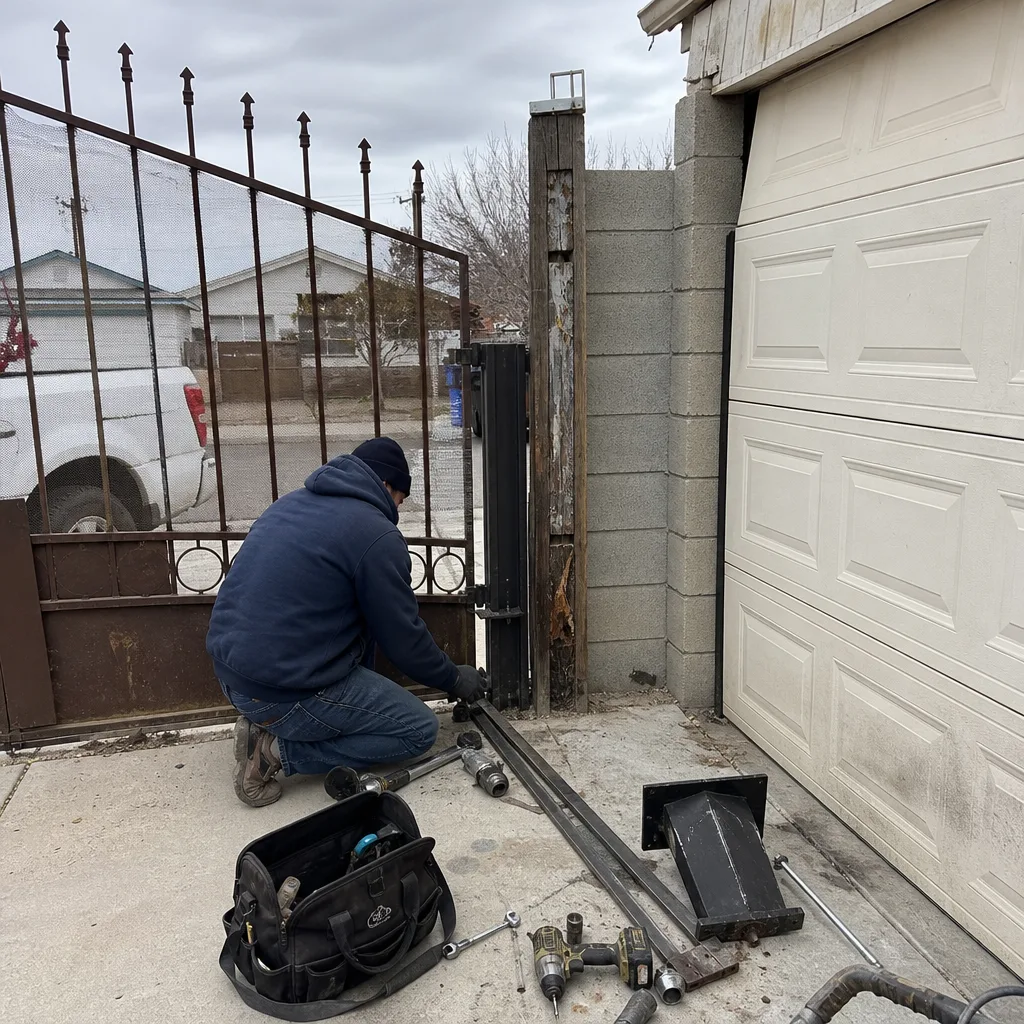 Before
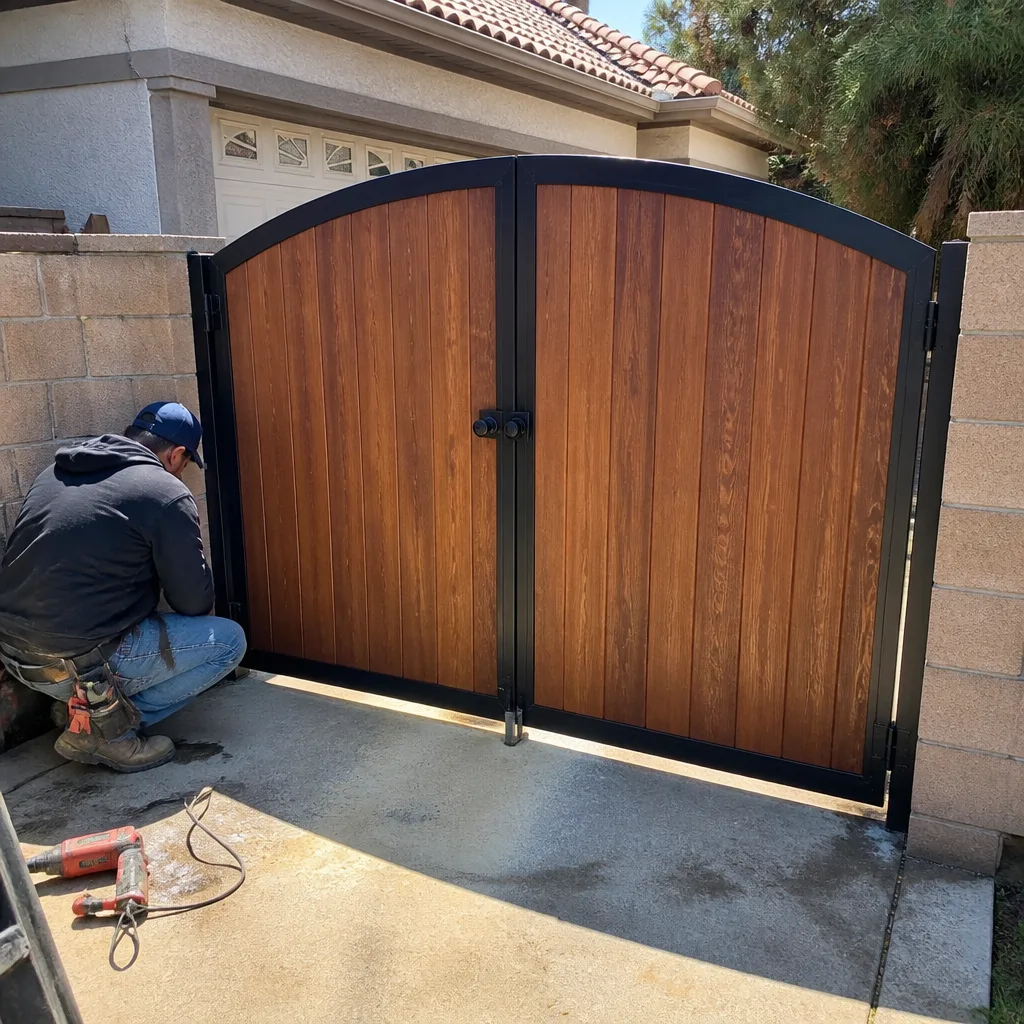 After
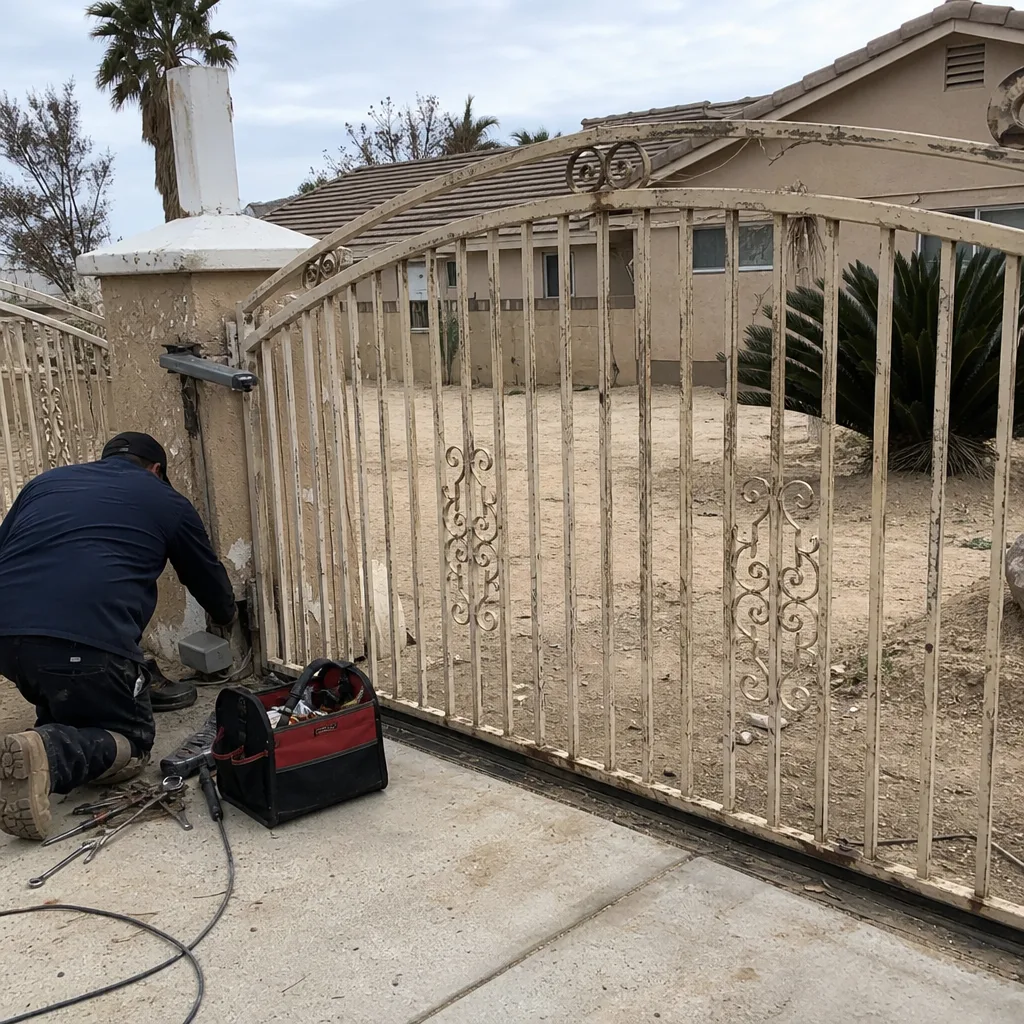 Before
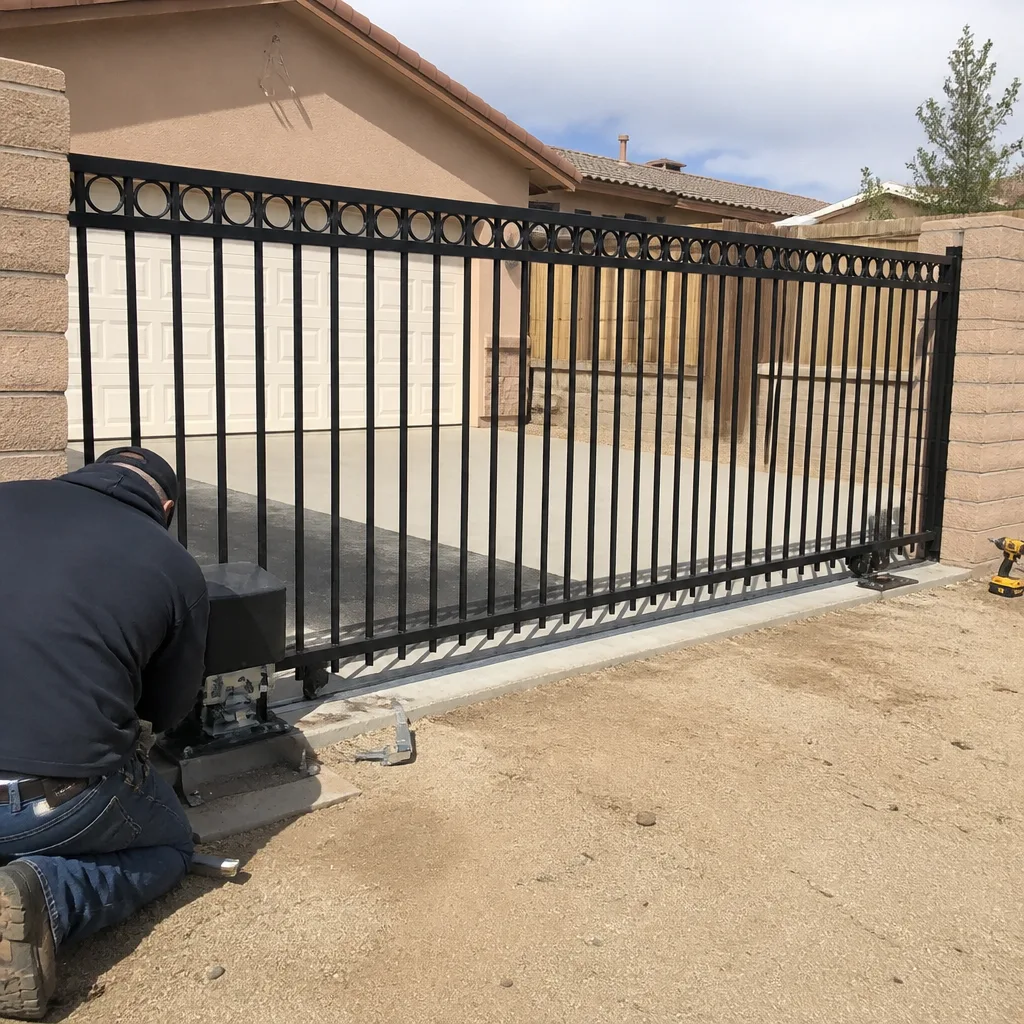 After
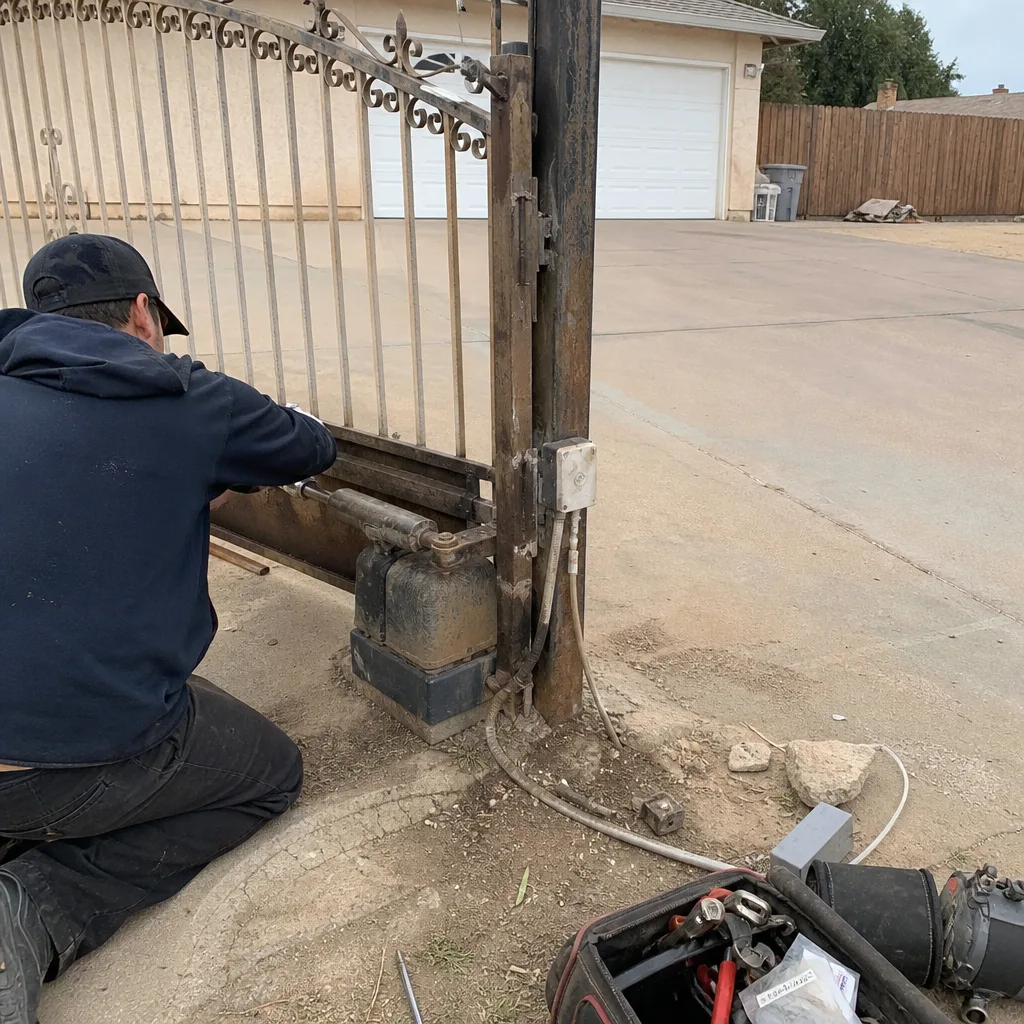 Before
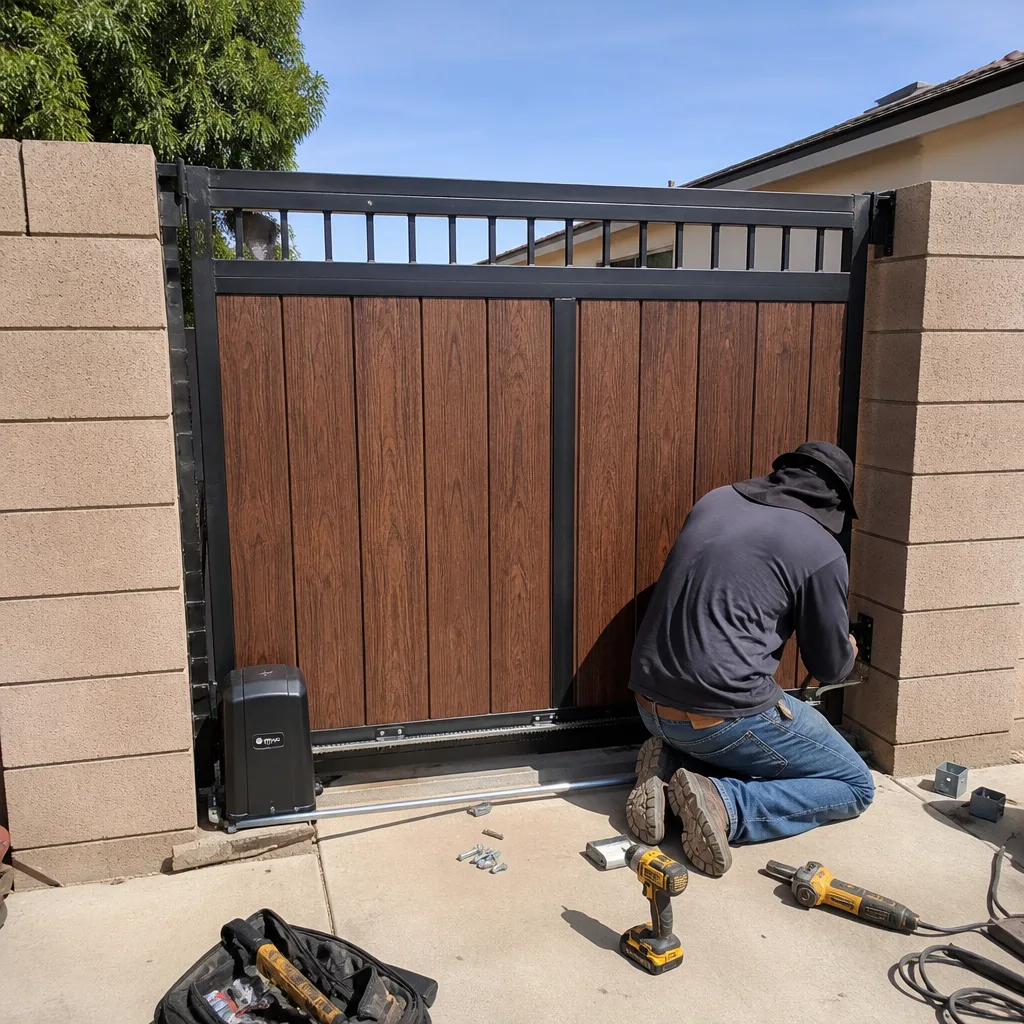 After